How We Found the Best App for Pet Medication Reminders
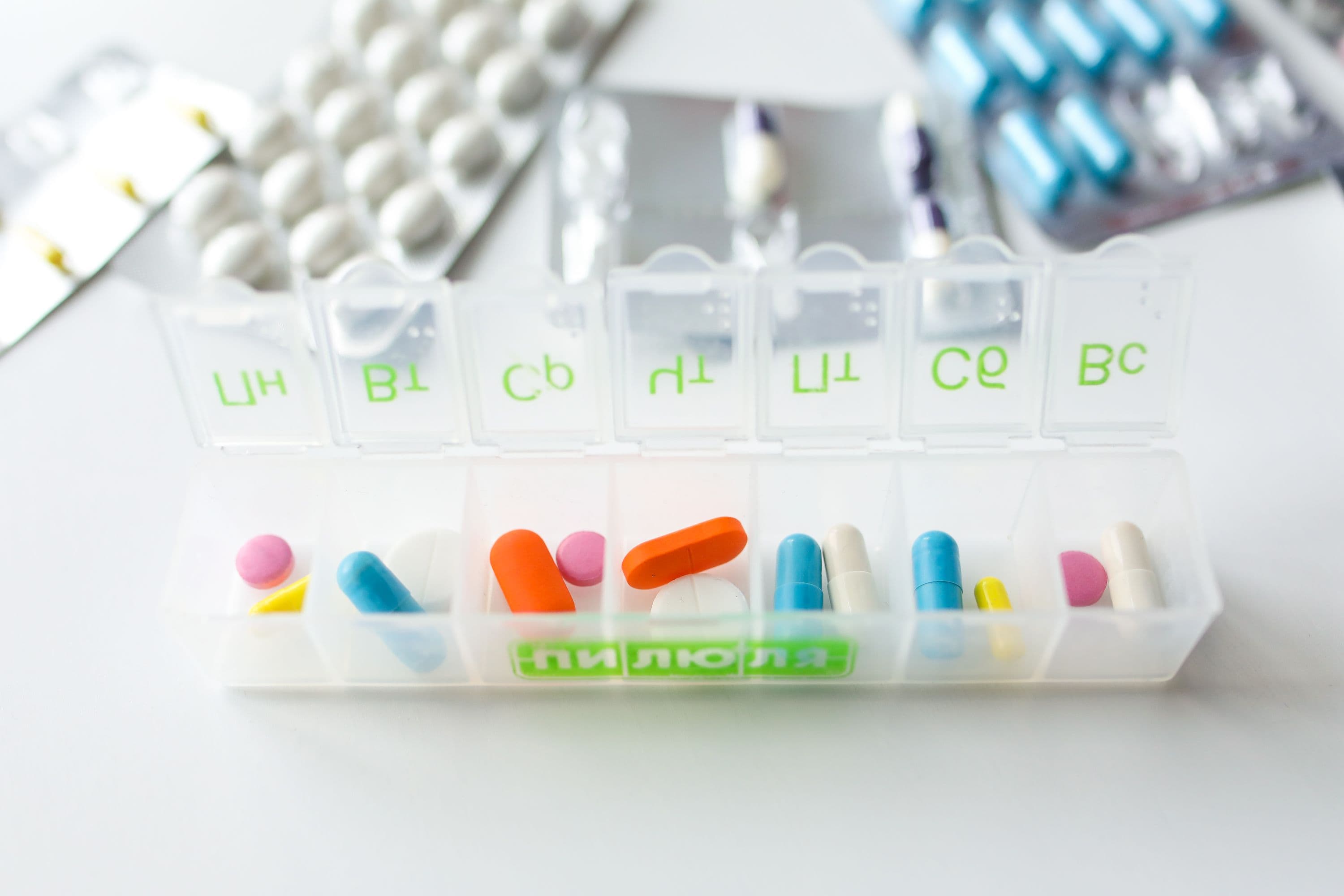
At 6:47 a.m., Priya Nair gave her nine-year-old cat Mango an insulin shot before rushing out the door for work. At 7:02, her husband Dev walked into the kitchen, saw the syringe cap on the counter, and gave Mango a second dose — because the sticky note on the fridge just said "AM shot," with no time and no initials. Twenty panicked minutes and one call to the emergency vet later, Mango was okay, but Priya's faith in her medication system was not. She spent the next three weeks testing everything from index cards to phone alarms before landing on what she now calls the best app for pet medication reminders she'd tried.
The Sticky Note System That Almost Cost Mango Her Life
Before Mango's diabetes diagnosis, the fridge whiteboard worked fine. One dog, one joint supplement, once a day — easy to remember, easy to write down. But diabetic cats need insulin roughly every 12 hours, on a schedule that barely moves, and Priya and Dev both worked full-time with staggered commutes. A whiteboard doesn't timestamp anything. It doesn't tell you who wrote "done," or when. It just sits there, technically updated, quietly wrong.
Priya isn't the outlier here. A 2024 study of dog owners in New Zealand found that medication noncompliance was recorded for 47% of owners — nearly half — with a resistant pet and unclear instructions among the top causes. Merck Animal Health's 2025 Global Pet Wellness survey found that 46 to 51% of pet owners had forgotten a dose of flea or tick prevention in the past year alone, and that's a once-a-month medication, not a twice-daily insulin regimen. If owners forget monthly pills at that rate, a 12-hour cycle split across two caregivers is practically designed to fail.
What the Emergency Vet Actually Said
The on-call vet was kind about it, but direct. Insulin doesn't forgive guesswork.
"Insulin dosing has almost no margin for error," the vet told her, pulling up Mango's chart. "Too little and her glucose stays uncontrolled. Too much, twice in one morning, and you're looking at a hypoglycemic emergency — weakness, seizures, worse. You need a system that shows the last dose given, not a checklist you both have access to erase."
That distinction stuck with Priya. She and Dev hadn't been careless — their system just had no memory. A sticky note can be wiped clean by anyone, at any time, with no record of what happened before it.
Why a Whiteboard Couldn't Handle Two Pets and Two Schedules
Mango's insulin wasn't the only thing Priya was tracking. Tofu, their eleven-year-old lab mix, was on a daily arthritis medication plus a joint supplement, and had a bloodwork recheck coming up in six weeks to monitor his kidney values. Two pets, three medications, two schedules, two caregivers, one upcoming vet appointment — and a paper system built for exactly none of that.
This is where the tools most people reach for first quietly fall apart:
- Phone alarms remind you to do something at a time, but not which pet, which medication, or whether someone already handled it.
- Paper logs or whiteboards have no timestamp and no shared, real-time visibility between caregivers.
- Spreadsheets work fine until someone's rushing out the door at 6:45 a.m. and just doesn't open one.
- Generic human medication apps don't have a concept of "pet," let alone multiple pets with different weights, dosages, and vets.
None of those were built for a two-animal household where dosing overlaps and more than one person needs to see the same information at the same time. That gap — multi-pet tracking with shared, timestamped logs — is exactly what apps like ZooMinder are designed to close. Each pet gets a separate profile with its own medication schedule, and every dose logged shows who gave it and when, so Dev can glance at his phone before reaching for a syringe instead of guessing from a half-erased note.
What to Actually Look for in the Best App for Pet Medication Reminders
After the Mango scare, Priya tested five different apps over about a month. A few patterns emerged about what actually mattered versus what was just marketing:
- Multi-pet profiles, not just multi-reminder. A true multi-pet setup keeps Mango's insulin schedule completely separate from Tofu's arthritis meds, with its own history and dosage notes for each animal.
- A shared medication log, not just a private reminder. The reminder itself matters less than the record it leaves behind — who administered the dose and at what time — so a second caregiver never duplicates or skips one.
- Vet appointment tracking, including recheck reminders tied to a specific condition, like Tofu's kidney values, not just a generic calendar event.
- Exportable or shareable history for vet visits, so you're not trying to reconstruct three weeks of dosing from memory in an exam room.
- Reliability without a subscription wall — a free app that still covers all of the above, since cost shouldn't be the reason a household quietly reverts to sticky notes.
Research backs up why the logging piece matters most. A study on mobile health tools in veterinary medicine found that owners using an app-based reminder system had a non-adherence rate of just 12.6%, compared to 60% among owners relying on memory or paper logs alone. That's not a small gap — it's the difference between a treatment plan that actually works and one that quietly doesn't.
Six Months Later, No More Guessing
Priya settled on ZooMinder mostly because it was the only free option that treated Mango and Tofu as two separate patients instead of one generic "pet" reminder. She set up Mango's insulin on a strict 12-hour cycle and Tofu's arthritis medication and supplement on their own daily schedule, then added Dev as a second user on the household account. Now, when the 6:45 a.m. notification goes off, it also shows whether Dev already logged the morning dose — no more relying on a sticky note that either of them could have wiped clean by accident.
The vet appointment tracker mattered more than Priya expected, too. Tofu's kidney recheck popped up automatically six weeks out, and when they arrived for the appointment, Priya pulled up Mango's full dosing history on her phone instead of trying to reconstruct three months of insulin timing from memory. The vet commented on how much faster it made the visit — a clean, exportable, timestamped log instead of a shrug and "I think we've been pretty consistent."
"Owners who can show me an actual dosing history change how I approach dose adjustments," the vet said at that visit. "I'm not guessing whether we've been compliant. I can see it."
It's a small thing, but for a household juggling insulin, arthritis meds, and a supplement across two pets, having one reliable pet medication reminder app — free, shared, and built for more than one animal — turned out to matter more than Priya expected when she started searching that first panicked week.
The Takeaway From Priya's Kitchen
These days, when Priya's phone buzzes at 6:45 a.m., she doesn't wonder whether Dev already went in ahead of her — the app already told her, with a timestamp, before she even reached for the syringe. The sticky note is still on the fridge, technically. It just says "welcome home" now, instead of trying to do a job it was never built for.
Never Forget a Dose Again
ZooMinder turns the tips in this article into automatic reminders. Add your pet, add their meds, and let the app handle the rest — across as many pets as your household needs.