Cat Hairball Remedies: Brush, Food, or Gel? How to Choose
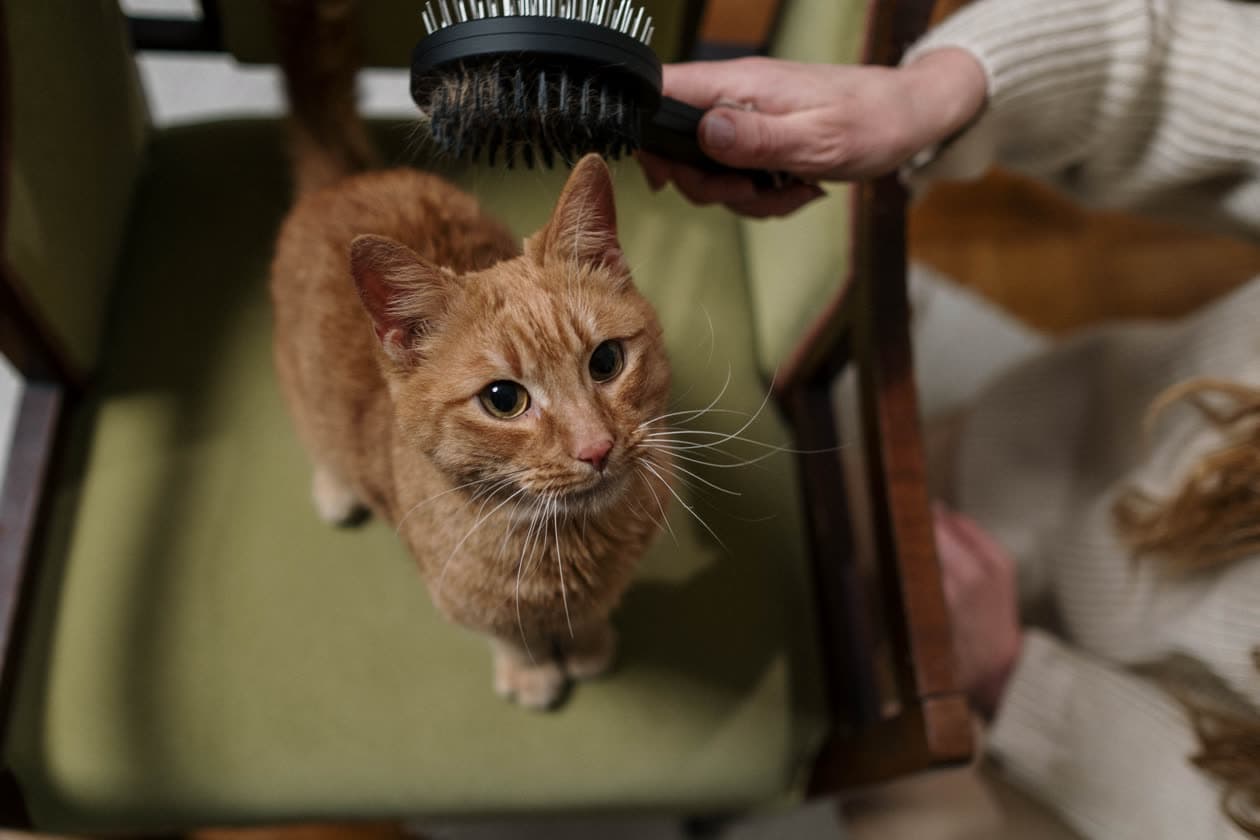
It's 3 a.m. and the sound from the hallway is unmistakable: a rhythmic hack-hack-hack, a pause, then a soft, damp thud. By morning you've found it, a tube of wet fur on the exact rug you'd hoped the cat would avoid. Then you stand in the pet-store aisle facing three kinds of cat hairball remedies: a fancy brush, a bag of "hairball control" kibble and a tube of malt-flavored gel. They all promise the same thing. They don't do the same thing, and none of them is right for every cat.
Here's the short version. The occasional hairball in an otherwise healthy, cheerful cat is a nuisance, not a disease. Brushing cuts down how much hair goes in. Fiber-based diets help hair move through. Lubricant gels help a stuck wad slide along. And if the hairballs are frequent, or come with other symptoms, none of the three is the answer. The vet is.
Why your cat swallows so much fur in the first place
A cat's tongue isn't just rough. It's a grooming tool with a surprisingly clever design. In 2018, Georgia Tech researchers Alexis Noel and David Hu published a study in PNAS showing that the backward-curving spines on a cat's tongue, the papillae, aren't solid cones as people long assumed. Each spine has a hollow, scoop-shaped tip that wicks up saliva and delivers it deep into the fur, down to the skin. The team studied tongues from six species, from house cats to lions and tigers.
That is great for cleaning and cooling. The catch is that those same backward hooks grab loose hair and send it toward the throat. Swallowing fur isn't a design flaw. It comes with the equipment. Most of it passes through the gut and ends up in the litter box. A hairball (vets call it a trichobezoar) is the share that collects in the stomach and comes back up instead of moving on.
So every remedy works on one of two things: how much hair goes in, or how well it moves through. Keep that in mind and the aisle gets much less confusing.
Normal nuisance or warning sign? Check this first
Before you choose a remedy, check whether a remedy is what you need.
In a 2013 review in the Journal of Feline Medicine and Surgery, veterinarian Martha Cannon noted that hairball vomiting is so common that many owners and vets think of it as normal cat behavior. She also argued that in most shorthaired cats, frequently bringing up hairballs points to an underlying chronic problem, such as inflammatory bowel disease, or something else that makes the cat swallow more fur or slows the gut. In those cats, treating the real disease often cut the vomiting sharply. Longhaired cats are a different story, because they simply take in more hair.
No published study sets an official "normal" frequency, so treat any number as a rule of thumb. Many vets suggest getting your cat checked if hairballs show up about once a week or more, especially in a shorthaired cat.
Skip the aisle and call your vet promptly if your cat: retches or gags repeatedly and brings nothing up; vomits over and over; stops eating or seems lethargic; is constipated or has had no stool; has a tender or swollen belly; or is losing weight.
A hairball can occasionally block the intestine, and Cornell's Feline Health Center notes that blockages sometimes need hospital care or surgery. Also watch for a cat who crouches low, neck stretched out, and coughs without producing anything. Feline asthma is often mistaken for hairballs. If you see wheezing, fast or labored breathing, or open-mouth breathing, get care right away.
If none of that applies, your cat is healthy and has the occasional hairball, here are your three real options.
Option 1: Brush more often
What it does: It removes loose hair before the tongue can collect it. It's the only option that reduces how much fur goes in at the start.
Advantages: No side effects, no changes to food, and it works for every coat type. It matters most for longhaired cats and during seasonal shedding, when one brushing can fill the brush in seconds. You'll also notice lumps, mats, fleas or skin problems sooner.
The cost: Time, and your cat's opinion of it. Some cats melt under a brush. Others treat it like an assault. Missing a few days won't ruin anything, but a brush that lives in a drawer doesn't help. Longhaired cats with mats may need professional grooming, or occasionally a sanitary or "lion" clip.
Best fit: Longhaired breeds, heavy shedders, older or overweight cats who can't groom some spots well (mats form there), and any cat who tolerates handling. If brushing is a fight, try short sessions: a few strokes, a treat, done. Build up from there.
Option 2: Switch to a hairball-control diet
What it does: Most "hairball formula" foods add fiber to help swallowed hair move through the gut and out in the stool.
Advantages: Once you've switched, it takes no extra effort. You just feed the cat. It's a reasonable option for cats who won't be brushed.
The cost: The evidence is weaker than the marketing. Small studies have found that some fibers help and others don't. In one 32-cat study, sugarcane fiber reduced hair clumps in the stool, while beet pulp didn't help in a study of shorthaired cats. Another found that higher total fiber increased the hair longhaired cats passed in their stool but did nothing for shorthaired cats. Results depend on the fiber, the dose and the coat. Diet changes should also be gradual, and cats on a prescription diet for kidney, urinary or weight problems shouldn't switch without asking the vet.
Best fit: Healthy longhaired cats, cats who refuse brushing, and homes where daily grooming just isn't realistic. Don't expect it to fix frequent hairballs in a shorthaired cat. Remember the warning above.
Option 3: A lubricant gel or paste
What it does: Most over-the-counter hairball gels are petroleum-based lubricants (petrolatum, sometimes with mineral oil) flavored so cats will lick them. They coat hair in the gut so it slides through.
Advantages: They work fast and are easy to keep on hand. Vets sometimes recommend them for occasional use when a cat has a bout of hairballs.
The cost: These are mild laxatives, not vitamins. Overuse can cause diarrhea, and long-term heavy use may interfere with absorbing some fat-soluble vitamins. That's why vets advise against using them continuously without guidance. The bigger danger is in how you give them. Never pour or squirt oil into a cat's mouth: inhaled mineral oil can cause a serious aspiration pneumonia. Kittens, senior cats and cats with swallowing problems are at higher risk. Let the cat lick the gel off a paw or finger. And skip the home-remedy pantry entirely. Plain petroleum jelly, cooking oils and "a spoonful of butter" aren't substitutes for a product your vet has approved.
Dose and frequency depend on the product and the cat, so follow the label and ask your vet. If your vet sets a schedule, say twice a week for a while, it's easy to lose track of which days you've done it. That's the kind of repeating dose ZooMinder's medication reminders can help you keep.
Best fit: An otherwise healthy cat going through a short-term bout, such as heavy spring shedding. It's a tool for a week, not an indefinite habit.
How to decide: three questions that settle it
1. Is this a hairball problem or a symptom? Frequent hairballs, a shorthaired cat suddenly producing more, or any warning sign from the box above means a vet visit, not a product. Write down the date each time a hairball appears for a few weeks. That simple record shows whether the frequency is actually increasing, and it gives your vet facts instead of "it feels like more."
2. How much hair is your cat taking in? A longhaired cat during shedding season takes in far more fur than a sleek shorthaired cat. More hair going in points to brushing first and diet second. A shorthaired cat with frequent hairballs points back to question 1.
3. What will actually happen in your home? A remedy you'll stick with beats one you won't. If your cat loves being brushed, brushing is your foundation. If brushing ends in scratches, a diet change may be the realistic choice. Keep the gel for short bouts, with your vet's okay.
Many cats do best with a combination: brushing as the base, a diet change if the cat sheds heavily, and a gel kept in the cupboard for the odd rough week. If your vet asks you to come back to check on things, a checkup reminder in ZooMinder means the follow-up doesn't slip.
The one thing to do today
Pick up a brush and run it over your cat for a minute, in a spot they like, maybe along the cheeks or the back. Look at what comes off. Every bit of hair on that brush is hair that won't come back up on your rug at 3 a.m. And if the hacking keeps happening in the hallway more than about once a week, no brush can answer that. Ask your vet.
Never Forget a Dose Again
ZooMinder turns the tips in this article into automatic reminders. Add your pet, add their meds, and let the app handle the rest — across as many pets as your household needs.