How to Create a Pet Health Record: The Complete Guide
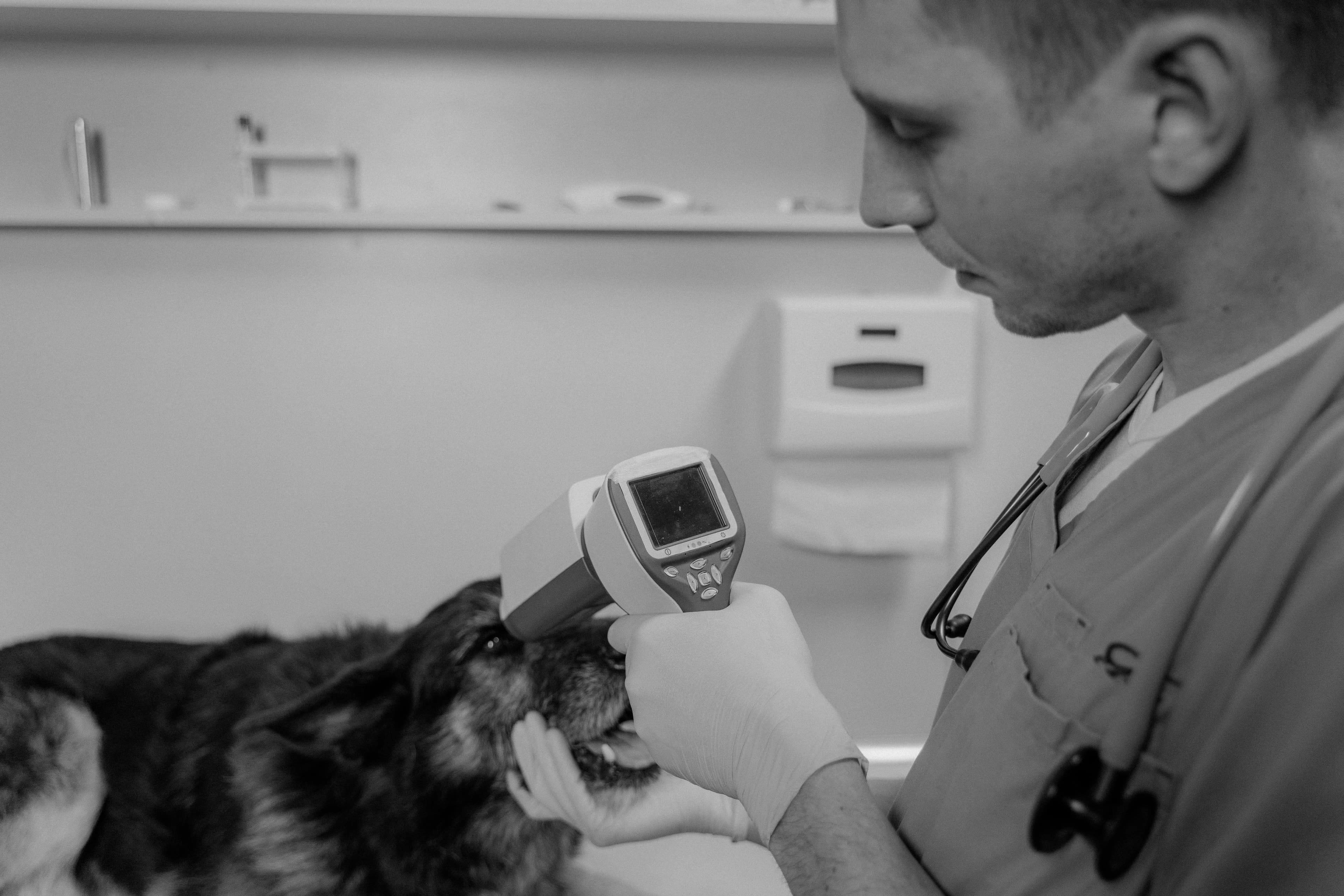
If you've ever switched veterinarians, traveled with your pet, or rushed to an emergency clinic at 2 a.m., you already know the sinking feeling of not having the right medical information at hand. Knowing how to create a pet health record — one that's thorough, organized, and actually accessible when you need it — is one of the most impactful things you can do as a pet owner. It's not glamorous, but it can genuinely save your animal's life.
A recent Gallup and PetSmart Charities survey found that 52% of U.S. pet owners have skipped or declined recommended veterinary care in the past year. Incomplete records make that problem worse: when your vet doesn't have a full picture, tests get repeated unnecessarily, diagnoses take longer, and effective treatments may be delayed. Let's fix that.
What Belongs in a Complete Pet Health Record
A solid pet health record is more than a folder of receipts. Think of it as your pet's personal medical chart — the same kind of comprehensive history a doctor would keep for you. Here's what it should include:
Identification and Basics
- Full name, breed, date of birth, sex, and color/markings
- Microchip number and registration details
- Spay/neuter status and date of procedure
- Current weight and weight history over time
- License number (if applicable in your municipality)
Vaccination History
This is the section you'll need most often — for boarding, grooming, doggy daycare, travel, and licensing.
For dogs, core vaccines include DHPP (Distemper, Hepatitis, Parainfluenza, and Parvovirus) and Rabies. Non-core vaccines like Bordetella, Lyme disease, Canine Influenza, and Leptospirosis depend on your dog's lifestyle and risk factors. Puppies typically start vaccines at 6–8 weeks and receive boosters every 3–4 weeks until 16 weeks of age.
For cats, core vaccines include FVRCP (Feline Viral Rhinotracheitis, Calicivirus, and Panleukopenia) and Rabies. Feline Leukemia Virus (FeLV) vaccine is recommended for all kittens and any cat that goes outdoors.
For each vaccine, record the date administered, the manufacturer/lot number if available, and the next due date. The 2024 WSAVA vaccination guidelines emphasize that the final puppy or kitten vaccine should be given at 16 weeks or older to ensure full immunity, and that antibody titer testing can sometimes replace routine boosters.
Medications and Preventatives
Track every medication your pet has taken — prescription drugs, flea and tick preventatives, heartworm prevention, and supplements. For each entry, note:
- Medication name and dosage
- Start date and end date (or "ongoing")
- Prescribing veterinarian
- Any side effects observed
This is one area where a digital tool really shines. Apps like ZooMinder let you log each medication with dosage details and set up automatic reminders so you never miss a dose of heartworm prevention or forget when the flea treatment is due. When you have multiple pets on different schedules, those reminders become essential.
Allergies and Adverse Reactions
Document food allergies, environmental sensitivities, and any adverse reactions to medications or vaccines. This is critical information for emergency vets who are meeting your pet for the first time. Include what the reaction was, how severe it was, and what treatment was given.
Vet Visit History
Keep a log of every veterinary visit with:
- Date and reason for the visit (routine wellness, illness, injury, dental)
- Diagnosis and treatment plan
- Any diagnostic tests performed (bloodwork, X-rays, urinalysis) and results
- Follow-up instructions
"The ability to review your pet's medical history before the first appointment will allow your new veterinarian to provide exceptional care that is tailored and timely." — VCA Animal Hospitals
Surgical and Dental Records
If your pet has had any procedures — spay/neuter, tumor removal, dental cleaning — record the procedure type, date, anesthesia used, and any complications or recovery notes.
Weight History
This one gets overlooked, but tracking your pet's weight over time is one of the most valuable health indicators you have. Unexplained weight loss or gradual gain can be the first sign of thyroid problems, diabetes, heart disease, or cancer. Weigh your pet monthly and log it.
Why Digital Pet Health Records Beat Paper
A paper folder in a kitchen drawer works until it doesn't — until you're at an emergency clinic in another city, or your regular vet retires, or a house fire takes everything. Here's why going digital matters:
Accessibility. Digital records travel with you. Whether you're at a boarding facility, an emergency vet, or on vacation, your pet's complete history is on your phone.
Accuracy. No more deciphering handwritten notes or wondering which paper is the most recent. Digital entries are clear, timestamped, and easy to update.
Automated reminders. Paper can't ping you when your cat's rabies booster is due next week. Digital tools can. This is a major reason pet owners who use health-tracking apps like ZooMinder report fewer missed vaccinations and preventative treatments — the app's scheduling and reminder features handle the mental load for you.
Easy sharing. Moving to a new city? Switching vets? A digital record can be shared instantly instead of waiting for files to be faxed or mailed.
Backup and security. Cloud-stored records don't get lost in a flood or eaten by the puppy. They're backed up automatically.
"A complete medical history will prevent unnecessary duplication of laboratory tests and ensure that treatments that were not effective in the past will not be repeated." — VCA Animal Hospitals
Consider this: 18% of pet owners who declined veterinary services specifically skipped preventive care including vaccinations, according to a 2024 AVMA survey. A system that automatically reminds you when vaccines or checkups are due makes it much harder to let those critical appointments slide.
How to Create a Pet Health Record from Scratch
If you're starting from zero, don't panic. Here's a step-by-step approach:
Step 1: Gather What You Already Have
Collect every piece of veterinary paperwork you can find — adoption papers, vaccine certificates, receipts, prescription labels, discharge summaries. Check your email for any digital communications from your vet's office.
Step 2: Request Records from Your Veterinarian
Your vet clinic is legally required to maintain medical records (typically for 3–5 years, though many keep them longer). Call or email and request a complete copy of your pet's medical history. Most clinics can send these electronically as a PDF. If you've used multiple vets, request records from each one.
Step 3: Choose Your Record-Keeping System
You have three main options:
- A digital app — the most practical choice for most pet owners. Look for one that supports vaccination tracking, medication reminders, vet visit logs, and multi-pet profiles. ZooMinder, for example, is designed specifically for this: you can store your pet's full health history, track upcoming appointments, set medication reminders, and manage records for every animal in your household from one place.
- A spreadsheet — functional but requires manual maintenance and won't send you reminders.
- A physical binder — better than nothing, but limited by all the drawbacks we discussed above.
Step 4: Enter Your Pet's Baseline Information
Start with identification details, current weight, and spay/neuter status. Then enter the most important historical data: vaccination records, known allergies, current medications, and any chronic conditions.
You don't need to transcribe every line of every old vet note. Focus on what a new veterinarian would need to know to treat your pet safely and effectively.
Step 5: Build the Habit
The record is only useful if you keep it current. After every vet visit, medication change, or weight check, update your records. If you're using an app with reminders, this becomes almost automatic — you get a notification, you log the event, and you're done.
Managing Health Records for Multiple Pets
If you have more than one pet (and roughly 35% of pet-owning households have two or more), record-keeping complexity multiplies fast. Each animal has its own vaccine schedule, medication needs, and vet history.
This is where paper systems tend to fall apart. Mixing up which pet got which vaccine, or forgetting that the cat's blood panel is due because the dog's appointment was more memorable, is incredibly common.
A multi-pet management feature — like the one built into ZooMinder — lets you maintain completely separate health profiles for each pet while viewing everything from a single dashboard. You can see at a glance who needs what and when, without digging through separate folders or spreadsheets.
What to Do in an Emergency
A health record proves its value most in a crisis. When your pet is injured or suddenly ill, the emergency vet will need to know:
- Current medications (to avoid dangerous interactions)
- Known allergies (especially to anesthetics or antibiotics)
- Vaccination status (particularly rabies, for bite-wound protocols)
- Pre-existing conditions (heart disease, seizure disorders, diabetes)
- Recent surgeries or procedures
Having this information instantly accessible on your phone can speed up treatment and quite literally make the difference between life and death. It also reduces the chance of unnecessary duplicate testing, which saves you money and spares your pet additional stress.
Keep Your Pet's Record Growing with Them
A pet health record isn't a one-time project — it's a living document that grows alongside your animal. A puppy's record will look very different at eight weeks versus eight years. Senior pets, in particular, benefit enormously from detailed longitudinal records that help veterinarians spot trends and catch problems early.
The best time to start organizing your pet's health records was the day you brought them home. The second best time is today. Grab your paperwork, download a tool that makes it easy, and give your pet — and every vet who ever treats them — the gift of a complete medical history.
Keep Your Pet's Health on Track with ZooMinder
ZooMinder helps you manage medication schedules, track vet appointments, and keep complete health records for all your pets — all in one free app.