How to Create a Pet Health Record Before You Need It
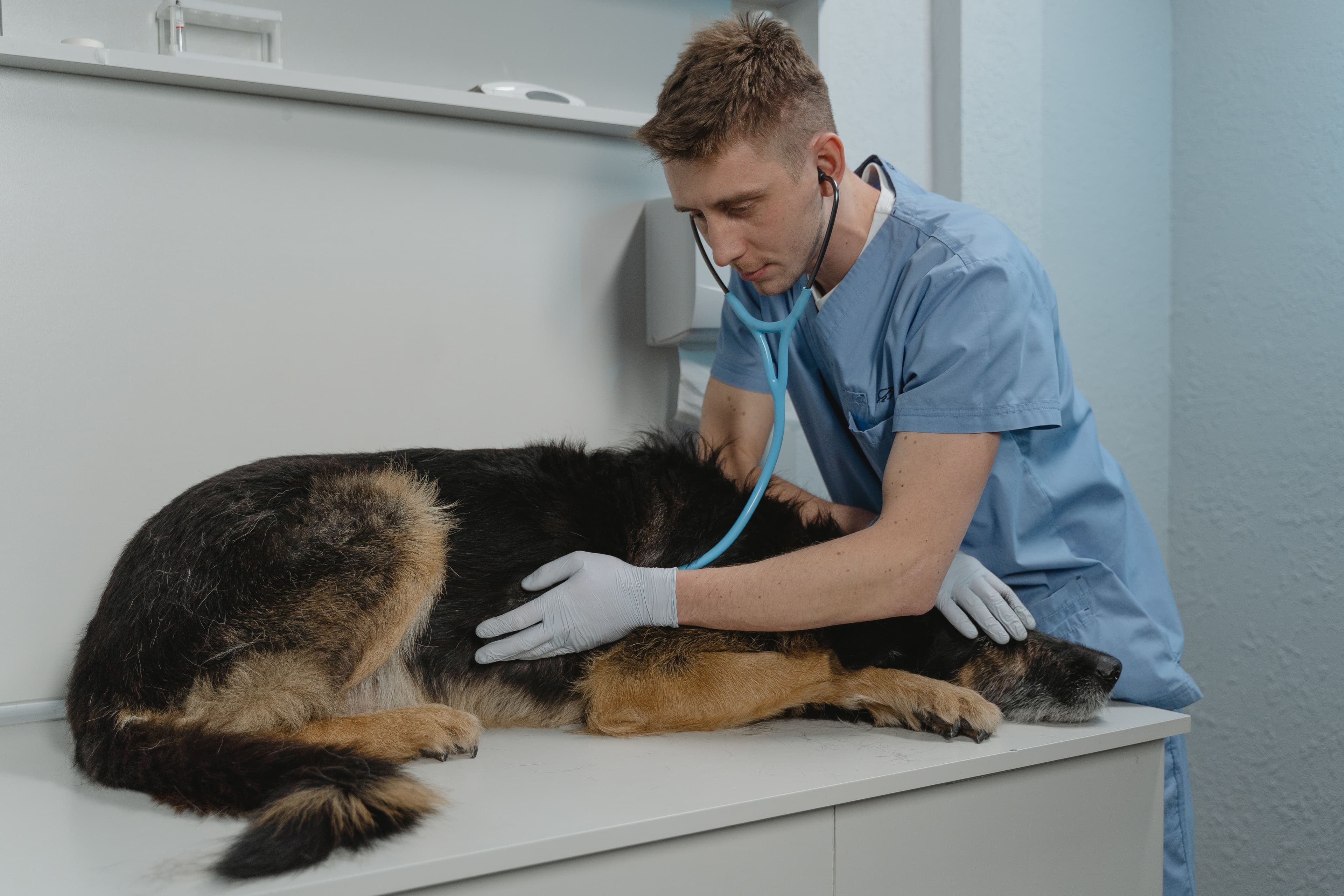
It's 8:40 on a Sunday night. Milo — your seven-year-old beagle mix — has been vomiting since dinner, you're sitting in an emergency clinic waiting room, and a tech with a clipboard has just asked you three questions in a row. What medications is he on? When was his last rabies vaccine? Has he ever had a bad reaction to anything?
You know the answers exist. One is on a folded invoice in a kitchen drawer. One is in an email from a clinic you stopped using two years ago. One is somewhere in your memory, which has chosen this exact moment to stop working.
That waiting room is where most people finally learn how to create a pet health record. You don't have to learn it that way. What follows is the order to build one in — about 40 minutes of real work, spread over a week if you want — plus a decision tree for the gaps you're going to find.
Step 1: Don't try to remember. Request.
Resist the urge to reconstruct your pet's history from memory. You'll get the year right and the month wrong, and the month is what matters for vaccine due dates.
Instead, call or email every clinic your pet has been to and ask for a complete copy of the medical record, not a vaccine summary. Those are different documents. A vaccine summary is one page. The complete record includes exam notes, lab results, prescriptions, and weights.
In most U.S. states the clinic legally owns the record itself, but you have the right to a copy on request — North Carolina, for example, gives practices 10 business days to produce it. There's a clock on this: state retention rules typically require vets to keep records only three to seven years past the last visit (Connecticut and Vermont sit at the seven-year end; Arizona at three). If you moved away from a clinic in 2019, that file may already be shredded. Ask now.
Say this: "Can you email me my pet's complete medical record as a PDF, including lab results and vaccine history with dates and lot numbers?"
Step 2: Build the identity block first
Do this part before the medical details, because it takes four minutes and it's the part an emergency clinic asks for first:
- Full name, species, breed, date of birth or best-estimate age
- Sex and whether spayed/neutered, and the date if you know it
- Microchip number and the registry it's enrolled in (a chip nobody registered is just a number)
- Color and distinguishing marks
- Current weight
- Your primary vet's name, clinic, and phone number
- Your nearest 24-hour emergency clinic's name and phone number
That last line is the one people skip. Look it up on a calm afternoon, not while a dog is vomiting in your car.
Step 3: Enter vaccinations as dates, not as "last year"
A proper vaccine entry has five fields, and vets record all five for a reason: vaccine type, date given, next-due date, manufacturer and lot number, and the administering vet's name and license number.
The lot number feels like overkill until there's a vaccine recall or an adverse-reaction report, and then it's the only thing anyone wants. Copy it.
Prioritize in this order:
- Rabies — the one with legal weight. Boarding facilities, groomers, and interstate travel all require a signed rabies certificate, and a Certificate of Veterinary Inspection for air travel generally has to be issued within 10 days of the flight.
- Core vaccines — DHPP for dogs, FVRCP for cats.
- Lifestyle vaccines — Bordetella, canine influenza, Lyme, FeLV. Which ones your pet actually needs depends on age, health, and exposure risk, so record what was given rather than what a checklist says should have been.
If your pet's rabies certificate isn't findable in under 60 seconds, your record isn't finished. That's the document someone else will demand from you, on someone else's timeline.
Step 4: Log medications the way a vet reads them
"Half a pill of the white one, twice a day" is not a medication record. Write each one as: drug name, strength, dose given, frequency, route, start date, prescribing vet, and why.
So: Gabapentin, 100 mg capsule, 1 capsule by mouth every 12 hours, started 2026-04-14, Dr. Reyes, for hind-limb pain.
Include the things that don't feel like medication — flea and tick preventive, heartworm preventive, joint supplements, probiotics, that leftover ear ointment. Supplements interact with drugs, and preventives have a due date you will absolutely lose track of.
This is the piece that decays fastest, because doses change mid-course and nobody updates the drawer invoice. Keeping it in an app that also reminds you when the next dose is due is genuinely the fix here — it's exactly what ZooMinder's medication tracking and reminders are for, and the useful side effect is that the log stays accurate because you're touching it twice a day anyway.
Step 5: Write down allergies and reactions while someone still remembers them
Two separate lists, because they're clinically different things:
- Allergies — food, environmental, flea saliva, with what the reaction looked like.
- Adverse drug reactions — the antibiotic that caused vomiting, the sedative that took 14 hours to wear off, the vaccine site that swelled. Record the drug name, the date, and the reaction.
Add anything the vet has ever told you to avoid, and note it in plain language: "No NSAIDs — kidney values elevated 2025." A new vet reading your record at 9pm needs the warning in one line, not buried in a lab PDF.
Step 6: Start the weight history today, even from one number
You can't backfill weight, so today's number is your first data point. Pull older weights out of the invoices you requested in Step 1 — clinics weigh at nearly every visit, so a five-year history is often sitting in those PDFs.
Then keep it going. Weight trends are one of the few things you can track at home that reliably catch disease before symptoms show:
- Dogs: unintended loss of more than 10% of body weight is clinically significant, per VCA Animal Hospitals — for a 70-pound retriever, that's about 7 pounds.
- Cats: the threshold is tighter. More than 5% loss in one to three months warrants a vet visit, not a wait-and-see. On a 10-pound cat that's eight ounces — small enough that you will not see it by looking.
Weigh cats and small dogs monthly after age seven on a baby scale or by using a luggage scale with a carrier. Log the number even when it's boring; the boring numbers are what make the abnormal one obvious. A running chart beats a list here, which is why ZooMinder graphs weight over time instead of just storing it — a slow six-month decline looks like nothing in a column of numbers and unmistakable on a line.
Step 7: Add a running symptom log
One line per event: date, what you saw, how long it lasted, what you did. "2026-08-03, vomited twice after breakfast, normal by afternoon, no treatment."
Individually these look trivial. Read six months of them together and you get the thing vets almost never have access to — a pattern. Three episodes of vomiting in a month is a different conversation than one, and you will not remember it was three.
The decision tree: what to do about the gaps you find
You will find holes. Here's how to triage them.
Wait and fill it in at the next routine visit if:
- You're missing lot numbers or a manufacturer name
- You're unsure of exact dates from more than three years ago
- You don't have historical lab results but your pet is healthy and current on care
Call the clinic this week if:
- Rabies status is unclear or possibly expired — this one has legal and boarding consequences
- You can't confirm whether heartworm or flea prevention is current
- A chronic medication has no documented dose you can read back
- Your pet is due or overdue for a wellness exam and you're not sure what's due
- The microchip number is missing or was never registered
Go now — same day or emergency:
- Your pet is actively symptomatic and you cannot tell a new vet what medications they're on. Don't spend 20 minutes searching the drawer. Go, and tell the team you're retrieving the record while they start. Every clinic handles unknown histories; delay is the actual risk.
- A cat over 10 has dropped more than 5% of body weight and you've now noticed it in your own log
- You suspect a medication overdose or a missed dose of something time-critical — insulin, anti-seizure medication, heart medication
How to make sure you never do the 8:40pm drawer scramble again
Three habits keep the record alive after you've built it:
Ask for a copy of the notes at every visit. Not the invoice — the record. Say it at checkout. It takes the front desk 30 seconds and it means your file never drifts more than one visit out of date.
Update it in the parking lot. New dose, new weight, next appointment — enter it before you drive home. The five-minute version happens; the "I'll do it this weekend" version does not.
Make it reachable from your phone without Wi-Fi. A folder at home is worthless at 8:40 on a Sunday. This is the part paper structurally cannot do: it can't be searched, it can't be in two places, it can't remind you of anything, and it can't be handed to a stranger in a waiting room in ten seconds. If you have more than one pet, that gap multiplies — ZooMinder keeps each animal's vaccines, meds, allergies, and weight history in its own profile on your phone, which mostly means you stop trying to hold four vaccine schedules in your head.
The AVMA's 2025 Pet Ownership and Demographics Sourcebook found U.S. owners spend an average of $354 a year on veterinary care. A meaningful slice of that is repeat diagnostics — bloodwork rerun because nobody could find last year's results.
Milo's record now takes one tap. The next time a tech asks what he's on, the answer is a screen you hand across the counter — and the ninety seconds you don't spend apologizing for not knowing is ninety seconds someone spends looking at your dog instead.
Never Forget a Dose Again
ZooMinder turns the tips in this article into automatic reminders. Add your pet, add their meds, and let the app handle the rest — across as many pets as your household needs.