How to Manage a Diabetic Dog: The Dose Nobody Remembers
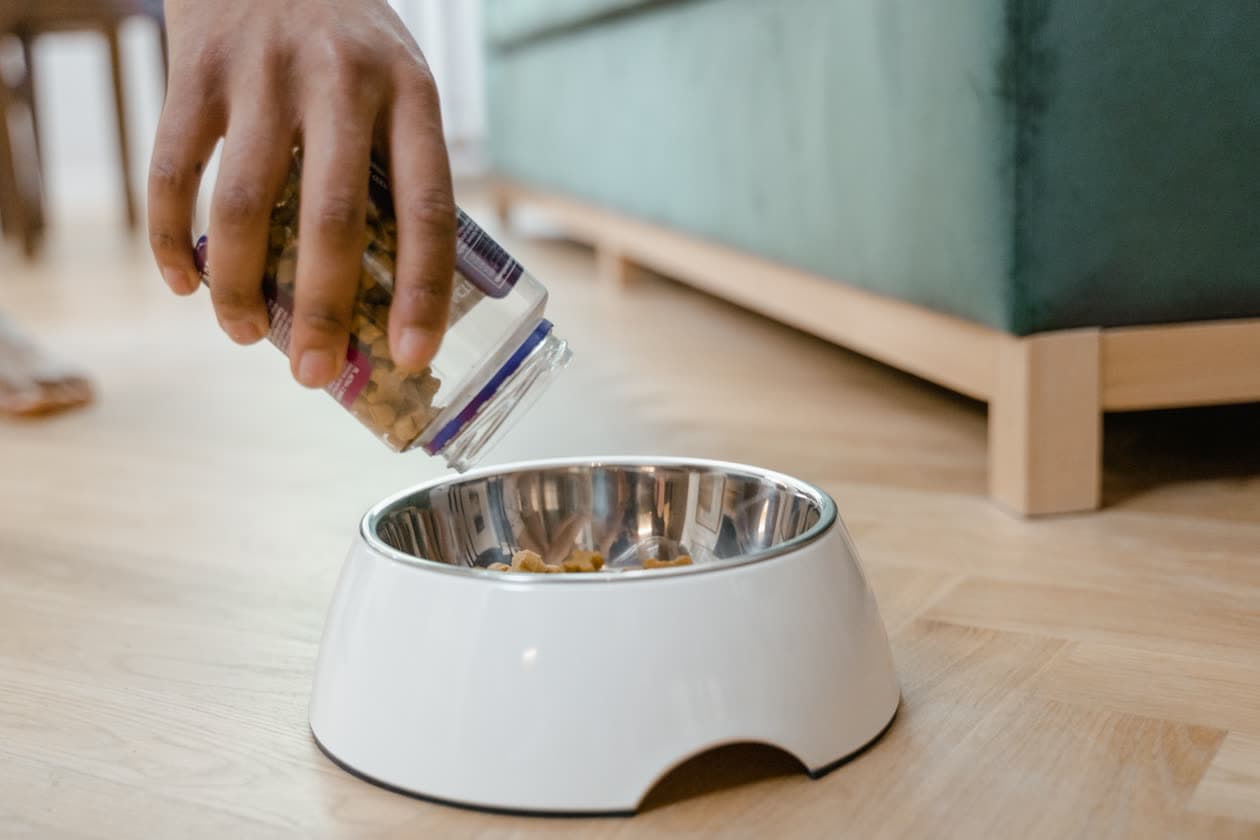
Here's an example. At 7:02 a.m. Biscuit, a ten-year-old beagle mix, finishes breakfast and gets his insulin. At 7:40 someone else in the house comes into the kitchen, sees the empty bowl and asks the question every family with a diabetic dog eventually asks: "Did he get his shot?"
Nobody is sure. The person who gave it remembers doing it, but that memory feels a lot like yesterday's. The other person assumes it hasn't happened, because Biscuit is looking at them like he's never been looked after in his life. (Beagles do that. It means nothing.)
That's the small mistake this article is about: the uncertain dose, and the very human urge to "just give it to be safe." If you're looking up how to manage a diabetic dog, the short answer is consistency. Insulin goes in on schedule, meals stay predictable, you keep an eye on thirst, appetite and energy, and you keep one shared record of what actually happened. The shared record is the part most homes skip, and it's the part that prevents most mix-ups.
Why a "did I or didn't I?" moment is so common
The insulin itself isn't what makes this hard. The trouble is that a dose leaves almost no evidence behind.
A pill goes missing from a blister pack. A bowl of food ends up empty. An insulin injection under the scruff takes a few seconds, the syringe goes in the sharps container, and the dog goes back to being a dog. Nothing changes that you could check five minutes later.
On top of that, you do it the same way, at the same time, in the same place, every single day, which is exactly what your vet wants. Repetition makes the routine reliable, and it also makes one morning's dose impossible to tell apart from the morning before. It's the same reason you sometimes turn the car around to check the stove: you did it, but doing something by habit doesn't leave much of a memory.
Then there are other people. Many diabetic dogs live with more than one caregiver: a partner, a teenager, a roommate, a dog sitter on weekends. Splitting the job makes sense, and it also creates the gap where "I thought you did it" lives.
So the uncertain dose isn't carelessness. It's what you'd expect from a task that's invisible, repetitive and shared.
What actually goes wrong: why a missed dose and an extra dose aren't equal
This is where a bit of biology helps.
In 1889, two researchers in Strasbourg, Oskar Minkowski and Joseph von Mering, removed a dog's pancreas as part of a study on how fat is digested. The dog, which was house-trained, started urinating all over the floor. Its urine was full of sugar. That accident was the first clear proof that the pancreas controls blood sugar, and it set off the research that led to insulin itself. (The Endocrine Reviews centennial history of insulin's discovery calls it the "iconic experiment.")
The part worth knowing: a healthy pancreas never has to remember anything. It measures blood sugar all day and releases insulin in response, moment to moment. In most diabetic dogs that system has failed permanently. The Merck Veterinary Manual notes that, unlike in many cats, diabetes in dogs is generally lifelong. That means you are now the pancreas, and you're working from a schedule and your memory, without a built-in sensor.
That's why the two possible mistakes aren't equally risky:
- A skipped or partial dose usually means blood sugar runs high for a while. The FDA-approved owner information for Vetsulin, a common canine insulin, says a missed or inadequate dose may cause a temporary return of signs like extra thirst and urination. That isn't ideal, but it's usually recoverable.
- An extra dose can push blood sugar too low, which is hypoglycemia. The same label warns that overdose can cause profound hypoglycemia, and that the signs can appear suddenly.
High blood sugar for a few hours is usually a nuisance. Low blood sugar can become an emergency. That's the main reason "give it again just to be safe" isn't actually the safe choice.
That's why much of the published owner guidance from vets and insulin makers says the same thing: if you're not sure a dose went in, don't add another one. Wait for the next scheduled dose and call your vet if you're worried. Your own dog's instructions come first, though. Insulin types, doses and situations vary, and the 2026 AAHA Diabetes Management Guidelines for Dogs stress that any change to dose or frequency should be guided by your veterinary team. Ask your vet now, while everything is calm: "What do you want us to do if we're ever unsure whether a dose was given?" Write the answer down where everyone can see it.
Signs of low blood sugar everyone in the house should know
Because an accidental double dose is the risk you're preventing, everyone who might give insulin should know what hypoglycemia can look like. The Vetsulin owner information lists:
- weakness or unusual sleepiness
- wobbliness, confusion or behavior that doesn't seem like your dog
- muscle twitching, trembling or anxiety
- seizures or collapse
A dog that is seizing, collapsing or can't be roused needs a vet immediately. Ask your vet ahead of time what first aid they want you to give at home on the way, so nobody has to look it up in a panic.
How to manage a diabetic dog so every dose leaves a trace
The fix isn't trying harder to remember. It's making each dose leave evidence. Here's a system built for real households, including the ones where everyone is half-asleep at 7 a.m.
1. Log the dose right after giving it, and never ahead of time
Pick one shared record: a paper chart on the fridge, a whiteboard, or an app. Then follow one strict rule: the dose gets marked right after the needle comes out, never before, and never "I'll write it down later."
A useful entry has the time, the dose given, who gave it, and how much the dog ate. Appetite matters because the 2026 AAHA guidelines connect insulin decisions to how much of the meal the dog actually finishes. Your vet will give you the rule for your dog, and the log is how you'll follow it.
This is the kind of routine ZooMinder's medication reminders are made for. Every caregiver can see that the morning dose was already checked off, so the "did you?" question gets answered without a conversation.
2. Make the "who" obvious
If two people share insulin duty, split it by time slot, not by "whoever's around." One person owns mornings, the other owns evenings. Ambiguity is how a dog ends up with two doses or none.
If you're bringing in a sitter, walk them through the log, the low-blood-sugar signs, and your vet's phone number. Don't just hand over the syringes.
3. Lock in the equipment, not just the schedule
Some insulins come in different concentrations, and each needs its matching syringe. Vetsulin, for example, is a U-40 insulin, and its manufacturer, Merck Animal Health, says to use it only with U-40 syringes. A U-100 syringe from a regular pharmacy will measure the dose incorrectly. If you ever refill supplies from somewhere new, check that the label and the syringe match before the first dose.
4. Track the slow signals, too
The day-to-day log also lets you spot trends your vet will want to hear about. AAHA's guidelines describe good control in plain terms: the dog isn't excessively thirsty, isn't urinating excessively, isn't ravenously hungry, and keeps a stable or rising body weight. A weekly weight and a quick note when water intake or appetite changes ("refilled the bowl twice today") turn vague worries into something your vet can actually use. Many dogs also need home glucose checks or a continuous glucose monitor. The 2026 guidelines note that these sensors have become more affordable. How often to check, and what to do with the numbers, is a plan to set up with your vet.
5. Keep the vet rechecks on the calendar
Insulin needs can change over time. Regular rechecks are how the dose stays right, and they're easy to let slip when the dog seems fine. ZooMinder can keep those checkup dates next to the daily doses, so the long-term schedule doesn't depend on anyone's memory either.
The 30-second version for your fridge
Feed → check how much was eaten → inject → log it immediately. If it isn't in the log, ask before acting. If you're still unsure, follow the plan your vet already gave you, which usually means no extra dose.
That's it. It doesn't need willpower, and nobody has to have a perfect memory at 7 a.m.
Back to Biscuit's kitchen. With the system in place, nobody at 7:40 has to remember anything. They just look at the fridge and see "7:02, full meal, dose given, initials." A pancreas never has to wonder whether it already did its job. With a log, you don't either.
Never Forget a Dose Again
ZooMinder turns the tips in this article into automatic reminders. Add your pet, add their meds, and let the app handle the rest — across as many pets as your household needs.