How to Prepare for a Vet Appointment (Skip the Question List)
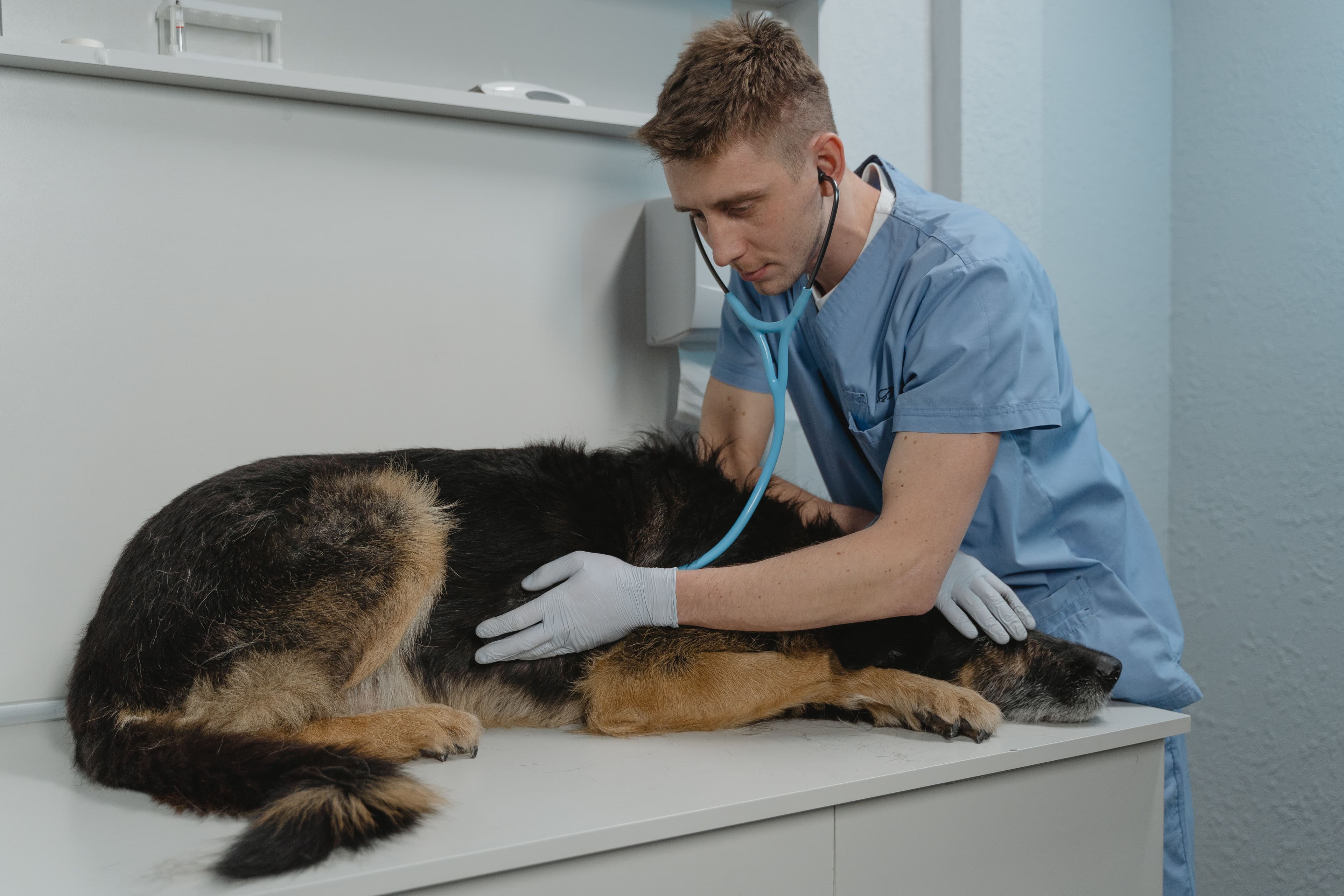
The owner of a nine-year-old beagle named Otis showed up to her appointment with eleven questions written on the back of a grocery receipt. She got through two. The rest — the ones about the limp, the water bowl, the weird 4 a.m. panting — never made it out, because the exam room clock ran out first. This is the failure mode almost nobody warns you about, and it's why most advice on how to prepare for a vet appointment quietly sets you up to waste the visit.
The standard checklist isn't wrong. Bring records, bring a stool sample, write down your questions — all reasonable. But it treats the appointment as if the limiting factor is your memory. It isn't. The limiting factor is time, and specifically the first sixty seconds of it.
The number that should reframe everything you do beforehand
Research using the Roter Interaction Analysis System, published in JAVMA, clocked the average companion-animal appointment at roughly 13 minutes. UK data on first-opinion small-animal practice tells the same story: about half of clinics schedule 15-minute slots, and nearly 40% schedule 10-minute slots.
Inside those minutes, the conversational dynamics are lopsided. Veterinary communication training — the Royal Canin Academy's material on consultation skills cites this directly — notes that vets tend to redirect a client about 15.3 seconds after they start talking, and that a typical consult contains around 13 closed-ended questions against only 2 open-ended ones. Meanwhile, an uninterrupted client talks for about 150 seconds on average.
So the real structure of your appointment is this: you get one short, uninterrupted window near the beginning, and after that the conversation converts into yes/no questions driven by your vet's differential list. Everything you prepare should be aimed at making that first window count.
Your vet can examine your pet, run the labs, and read the X-ray. The one thing they cannot do is observe your pet at 4 a.m. That's your job, and it's the only part of the appointment you can prepare in advance.
The 12-question list that quietly costs you the visit
Conventional advice says write down all your questions so you don't forget them. The intent is good — questions really do evaporate the second you're in the room. The problem is when people deploy the list. Most owners open with it, and a long opening list does two things: it burns the uninterrupted window on things your vet was probably going to cover anyway (food, vaccines, dental), and it signals "general chat" rather than "here is clinical information."
What to do instead:
- Lead with a 60-second structured history, not questions. Onset, progression, frequency, what changed. "Started limping on the left front about three weeks ago. Worse after the dog park, better by evening. Last Tuesday he wouldn't jump onto the couch — first time ever. Eating normally, weight's the same."
- Triage your questions into three buckets. Top 3 for the vet. Logistics (cost, pickup times, refills, food ordering) for the front desk or a technician — they often answer these better anyway. Everything else goes in a follow-up email or portal message, which most practices now support.
- Ask your top question at the end, not the start. After the exam, your vet has actual findings. "Given what you just felt in that shoulder, what would you do if he were yours?" is a far better question than anything you could have written the night before.
This is the part that a symptom log genuinely solves. If you've been noting episodes as they happen in ZooMinder's symptom log — timestamped, with a photo or a short note — you're not reconstructing three weeks from memory in a waiting room. You're reading a timeline, which is exactly the format a clinician's brain wants.
"Always fast your pet before bloodwork" — right about 70% of the time
This one gets repeated as gospel, and for most routine adult bloodwork it's correct: fasting clears lipemia, the fat droplets that show up after a meal and interfere with a long list of assays. VCA's guidance is a good baseline — roughly 8 hours for most panels, 12 hours if cholesterol or triglycerides are being measured.
Where it fails:
- Diabetic pets on insulin. Fasting a pet who's already received insulin is a genuine hypoglycemia risk. Never do it without explicit instructions from your vet on how to handle that morning's dose.
- Puppies and kittens under about four months. They don't have the glycogen reserves adults do. Prolonged fasting isn't harmless in a 10-week-old.
- Tiny-breed dogs and pets who are already not eating. If your pet hasn't eaten in two days and that's why you're going in, adding an 8-hour fast on top of it isn't preparation. It's a second problem.
- Most sick visits and most routine physicals. If no bloodwork is planned, fasting accomplishes nothing except a hungry, cranky patient.
The actual rule: call the clinic and ask which specific tests are planned, then ask whether fasting applies. Ninety seconds on the phone beats a rescheduled blood draw.
Arriving 15 minutes early can make your cat's exam worse
The standard advice — get there early, settle in, fill out paperwork — is written for the owner's convenience, not the patient's physiology. For an anxious cat, fifteen extra minutes in a lobby full of dog smell and door chimes means arriving at the exam table already at the top of their stress curve. Elevated stress inflates heart rate, blood pressure, and blood glucose readings, which can genuinely muddy the picture your vet is trying to build.
Better approach: do paperwork ahead of time online, arrive on time, and ask whether you can wait in your car and be texted when the room is ready. Most practices have offered this since 2020 and many will keep doing it indefinitely. For carriers, cover with a towel and load the carrier from the top rather than shoving from the front.
Sedating your pet before the visit isn't cheating
A lot of owners feel like pre-visit medication is admitting failure. The 2022 AAFP/ISFM Cat Friendly Veterinary Interaction Guidelines treat it as standard care, not a last resort — gabapentin for cats, trazodone more often for dogs, typically given about two hours before leaving the house. A calm patient gets a more thorough exam, more accurate vitals, and often needs less restraint.
Two non-negotiables, both from those guidelines:
- Do a trial run at home first, on a non-appointment day. Response varies a lot between individuals — you want to know the onset, the duration, and whether your pet gets wobbly before it matters.
- Get the dose from your vet. Guideline dosing exists, but it's weight-based and depends on kidney function and other medications. Never use leftover pills from another pet or anything from a human medicine cabinet.
The routine checkup is the harder appointment to prepare for
A sick visit prepares itself — there's a complaint, and it organizes the conversation. A wellness exam has no anchor, which is why so many of them collapse into "vaccines, nail trim, see you next year."
It's also why a worrying number get skipped. The AVMA's 2024 Pet Ownership and Demographics Sourcebook found that 22.8% of dog owners and 31.1% of cat owners said their pet "did not need a checkup" — up sharply from 12.3% and 17.4% the year before. Cat owners were far less likely to have visited a practice at all (57.3% versus 74.2% of dog owners).
To make a wellness visit earn its fee, bring three things:
- A weight trend, not a weight. One number on the clinic scale is a snapshot. Six months of numbers is a diagnosis-in-progress — steady loss in an older cat points somewhere very different than steady gain. Logging weight in ZooMinder after each visit turns a series of isolated readings into a line your vet can actually interpret.
- A behavior delta. Not "she's fine," but "she's sleeping about two hours more a day than in the spring" or "he's stopped going up the stairs at night." Owners systematically under-report these because they read as aging. Many of them are arthritis, thyroid disease, or early kidney disease.
- An honest medication and supplement list — including the joint chew, the flea product you bought at the pet store, and the CBD oil. Not to be judged; because interactions are real and your vet is dosing around whatever else is on board. An exportable med list per pet is the kind of thing ZooMinder's medication records exist for, especially in multi-pet homes where "who gets what" gets genuinely hard to track.
Film it. Seriously — one video beats ten paragraphs
The single highest-value thing you can bring to a sick visit is video shot at home. Intermittent problems have a cruel habit of vanishing in the exam room: the limp resolves on adrenaline, the cough won't reproduce, the "seizure" turns out to have been a syncopal episode or a vestibular event — which are managed completely differently.
Veterinary neurology guidance is explicit that owners should record suspected seizures when it's safe to do so, precisely because the distinction between a true seizure and its imitators is often impossible to make from a verbal description. The same holds for gait: a ten-second clip of your dog walking away from the camera tells your vet which limb, which phase of the stride, and how weight is being shifted.
Practical filming notes: shoot in landscape, get the whole animal in frame including the feet, film from a safe distance during a seizure, and include something for scale if you're documenting a lump. Note the date and time — the pattern matters as much as the event.
Here's the actual rule
Prepare data, not dialogue. The checklist items still matter — records, stool sample if asked for one, current food, a fasting call the day before — but they're logistics. What separates a good appointment from a wasted one is whether you walk in able to say, in about a minute, what changed, when it started, how it's trending, and what you've already tried. Everything else your vet can find. That, only you can bring.
Otis's owner rebooked. Second time, she opened with four sentences and a nine-second video of him refusing the couch. They found the shoulder in under three minutes — and she still got to ask all eleven questions, because seven of them turned out to be about the diagnosis she now had.
Never Forget a Dose Again
ZooMinder turns the tips in this article into automatic reminders. Add your pet, add their meds, and let the app handle the rest — across as many pets as your household needs.