How to Prepare for a Vet Appointment: Notice, Record, Call
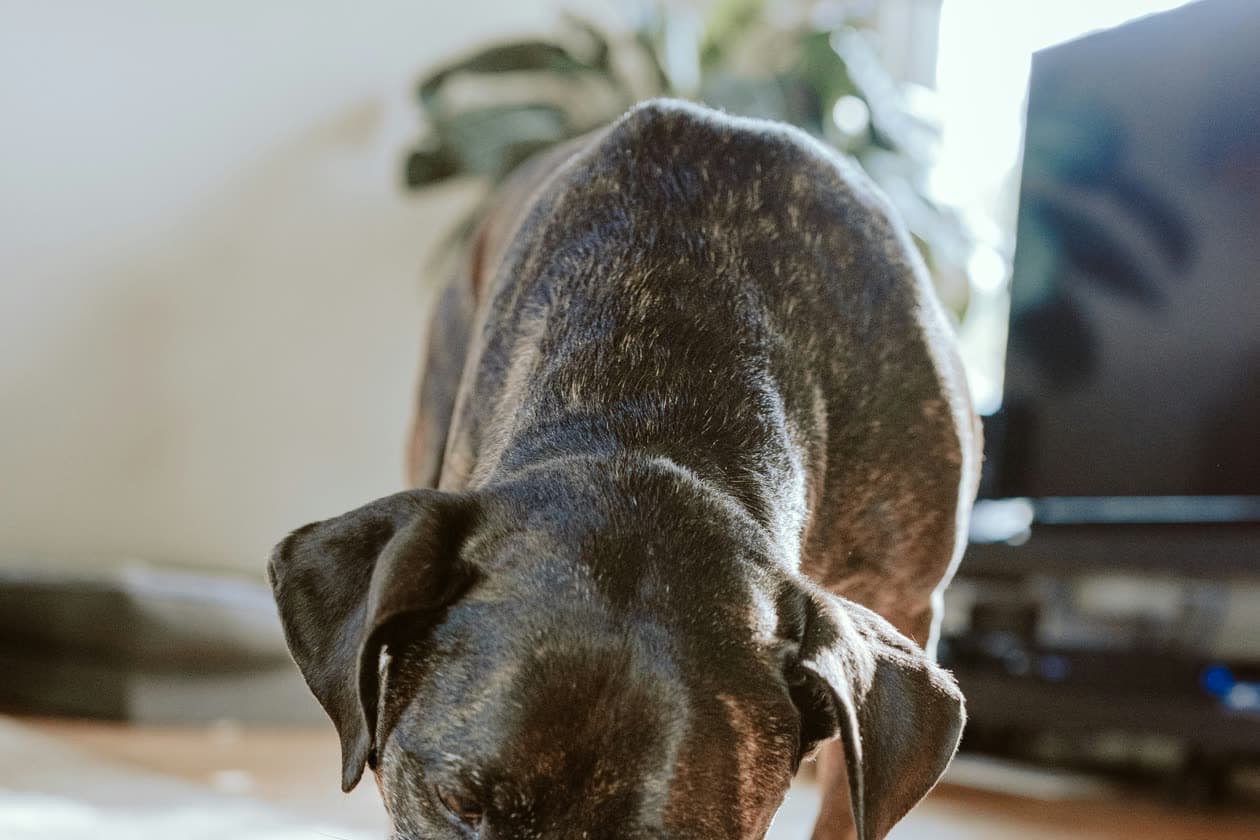
Here's an example. Biscuit, a beagle, has coughed every night for a week. It's a dry honk, always around 2 a.m., always after he settles on the rug. Then at 3:40 on a Tuesday afternoon he trots into the exam room, wags at the vet tech, and doesn't cough once in fifteen minutes.
Every pet owner knows some version of this. The limp that vanishes in the parking lot. The cat who hasn't eaten properly in three days and suddenly looks like a magazine cover on the exam table. It isn't your imagination, and it isn't your pet lying. The clinic changes the animal being examined.
So the most useful answer to how to prepare for a vet appointment isn't a packing list, though you'll get one. It's this: your vet sees a few minutes of your pet under stress, and you see the rest of the week. Preparing is how you carry that week into the room. That holds for an annual checkup and for a worrying sick visit, and it comes down to three skills: noticing, recording, and knowing when to call.
The exam room shows a stressed version of your pet
Here's the fact that explains why your notes matter. Veterinarians have a name for something human doctors also know: the white-coat effect. In cats it's well documented. Excitement and anxiety in the clinic can push blood pressure up by an artifactual amount (Belew, Barlett & Brown, Journal of Veterinary Internal Medicine, 1999). The ACVIM consensus statement on hypertension in dogs and cats (Acierno et al., 2018) tells clinicians to measure in a quiet area after the animal has had time to settle, because a stressed reading can mislead.
Blood sugar does it too. Cats can show stress hyperglycemia: a frightened cat that struggles on the table can have a temporarily high glucose reading with no diabetes behind it (Rand et al., Journal of Veterinary Internal Medicine, 2002). That's one reason vets sometimes run extra tests before confirming that diagnosis.
The same adrenaline that raises those numbers can hide a sore leg or quiet a cough. Your vet knows this. What they don't have is your pet on an ordinary Tuesday at 2 a.m. You do.
Your vet examines the patient in front of them. You're the only witness to the patient at home.
What to NOTICE in the days before the visit
Noticing isn't diagnosing. You aren't trying to work out what's wrong. You're collecting the observations a vet can't get any other way. These are the ones that tend to matter most.
Food, water, and the litter box or yard
- Appetite, in specifics. "Eating less" is vague. "Leaving about half her usual breakfast since Thursday, still taking treats" tells the vet something. Picky eating and inability to eat point in different directions.
- Drinking. If you're refilling the water bowl noticeably more often, say so. Increased thirst is a classic clue for several conditions, and owners usually spot it before any test does.
- Urine and stool. Note how often, how much, the color and consistency, and any straining. For cats, clumps in the litter box are a surprisingly good measure. Bigger or more numerous clumps are worth mentioning.
Breathing at rest
If your pet has a heart condition, or your vet has asked you to watch their breathing, count the sleeping respiratory rate. Count breaths over 30 seconds while they're deeply asleep (not dreaming, panting, or purring), then double it. In a study of dogs and cats with stable, medically controlled heart failure, most had sleeping rates under 30 breaths per minute, with small day-to-day changes (Porciello et al., The Veterinary Journal, 2016). That's why many cardiologists use home counts as an early warning. Your own vet may give your pet a different threshold. Use theirs.
Behavior and "something's off" moments
Hiding, sleeping somewhere new, not jumping onto the couch, licking one spot, a head tilt, a changed bark. Write down when it started and whether it's getting better, worse, or staying the same. The trend often matters more than any single moment.
For routine checkups
Healthy pets get a briefing too. Small changes are easy to miss when you see them every day: slightly more stiffness after naps, bad breath, a lump you noticed in the bath, a coat that's duller than last spring. The annual visit is the right place to bring them up, so you don't need a separate trip.
What to RECORD and bring to the vet appointment
Memory is a bad witness under stress. In the exam room, "maybe four days?" really means "I have no idea," and that's normal. Writing things down fixes it.
Video beats description
If the problem comes and goes, like a cough, a wobble, a limp, a strange breathing pattern, or an episode you think might be a seizure, film it. Twenty seconds of video often tells a vet more than five minutes of description, because it shows what the exam room hides. Get the whole animal in frame if you can, and say the time out loud as you record.
A symptom timeline
For a sick visit, write a short timeline on your phone or on paper:
- When it started (date, and time of day if it's relevant)
- What it looks like, in plain words
- How often it happens, and whether that's changing
- Anything new before it started: food, treats, a move, a boarding stay, a new medication, something chewed in the garden
- What you've already tried, including any home remedies or leftover medication
That last item isn't a confession. It's information your vet needs to read the situation safely.
The medication list
Bring the exact names, strengths, and how you actually give each medication, including supplements, flea and tick products, and anything prescribed by another clinic. The packaging itself is even better. Be honest about doses that went off schedule, for example "the evening dose was more than two hours late twice this week" or "she spat out Tuesday's pill." Whether that matters depends entirely on the drug and your pet, and only the vet can judge it. They can only judge it if they know.
This is the record that slips most easily, because it lives in your head and in a pile of boxes. Keeping it in one place, which is what ZooMinder's medication reminders and history are designed for, means you can answer "when was the last dose?" by checking instead of guessing.
Vaccines and past visits
If you're seeing a new clinic, bring vaccination records and any previous lab results. Vaccine schedules and legal requirements, rabies in particular, vary by country and region, and your vet will base recommendations on where you live and on your pet's lifestyle. The AAHA and WSAVA vaccination guidelines both tailor recommendations to the individual animal rather than giving one universal schedule. If your vaccine dates and checkup history are already logged somewhere like ZooMinder, it takes seconds to pull them up when the front desk asks.
The screenshot checklist
Before any vet visit ☐ Symptom timeline: start date, frequency, trend ☐ Video of the problem, if it comes and goes ☐ Full medication and supplement list, with any late or missed doses ☐ Vaccine records and past results (new clinic) ☐ Diet: brand and amount, plus treats ☐ Stool or urine sample, only if the clinic asked, and how fresh they want it ☐ Your top 3 questions, written down ☐ Carrier or leash, a familiar towel, a few favorite treats (check first whether food is allowed before tests)
Questions worth asking
Write your questions before you go, most important first. Good ones, routine or sick:
- "What are you most and least worried about?"
- "What should I watch for at home, and what would make you want to see them again sooner?"
- "How and when do I give this medication, and what do I do if a dose is late?" Ask this for every new prescription, because the answer differs from drug to drug.
- "When will results come back, and who calls whom?"
- For checkups: "Is anything changing for their age, like diet, dental care, screening tests, or which vaccines make sense?"
Reduce the stress you can control
You can't remove the white-coat effect, but you can soften it. Feline-friendly guidance, such as that from the International Society of Feline Medicine, suggests leaving the carrier out at home as furniture rather than bringing it out only when trouble's coming, and covering it with a towel that smells of home during the trip. A calmer arrival doesn't just help your pet. It can also give your vet more reliable readings.
Fasting is different. Some tests and procedures need an empty stomach and many don't, and the rules vary by species, age, and health. Ask the clinic when you book. Don't guess.
When to CALL A VET instead of waiting for the appointment
Sometimes the right preparation is moving the appointment up. Call your vet, or an emergency clinic if yours is closed, right away if you see:
- Difficulty breathing: open-mouth breathing in a cat, a resting breath rate well above your pet's normal, blue or very pale gums
- Straining to urinate with little or nothing coming out, especially in a male cat. This can become an emergency within hours.
- Collapse, fainting, or not being able to stand
- A seizure lasting more than a few minutes, or several seizures close together
- Repeated vomiting, or a dog with a swollen belly retching without bringing anything up
- Known or suspected poisoning: medication, xylitol, lilies (cats), antifreeze, rodent bait. Bring the packaging.
- Severe pain, a major injury, or heavy bleeding
Call during normal hours, rather than waiting, if a symptom is clearly getting worse before the appointment date, your pet refuses food for more than a day or so (sooner for cats, small pets, or young animals), or a dose of an important medication was missed or doubled and you aren't sure what to do. The clinic may simply reassure you. That's a fine result.
This list is a guide for when to call, not a diagnosis. When in doubt, call. The person on the phone is trained to triage, and "is this urgent?" is exactly the question they're there to answer.
The 2 a.m. cough, delivered on time
Go back to Biscuit, healthy-looking under the exam light and not coughing. Now imagine his owner holding up a phone: a 20-second clip from 2:07 a.m. showing the honk, and a note that says seven nights, always after lying down, getting more frequent. The vet stops looking at a cheerful beagle and starts looking at a pattern.
Before the next visit, routine or not, make one note on your phone titled with your pet's name and start adding to it now. The exam room only sees your pet for a few minutes. The note covers the rest of the week.
One App, Every Pet, Zero Missed Doses
Stop juggling sticky notes and phone alarms. ZooMinder keeps every medication, vaccine date, and vet note in one place — free, private, and built for households with multiple pets.