How to Recognize Pet Dehydration: Home, Vet, or ER Tonight?
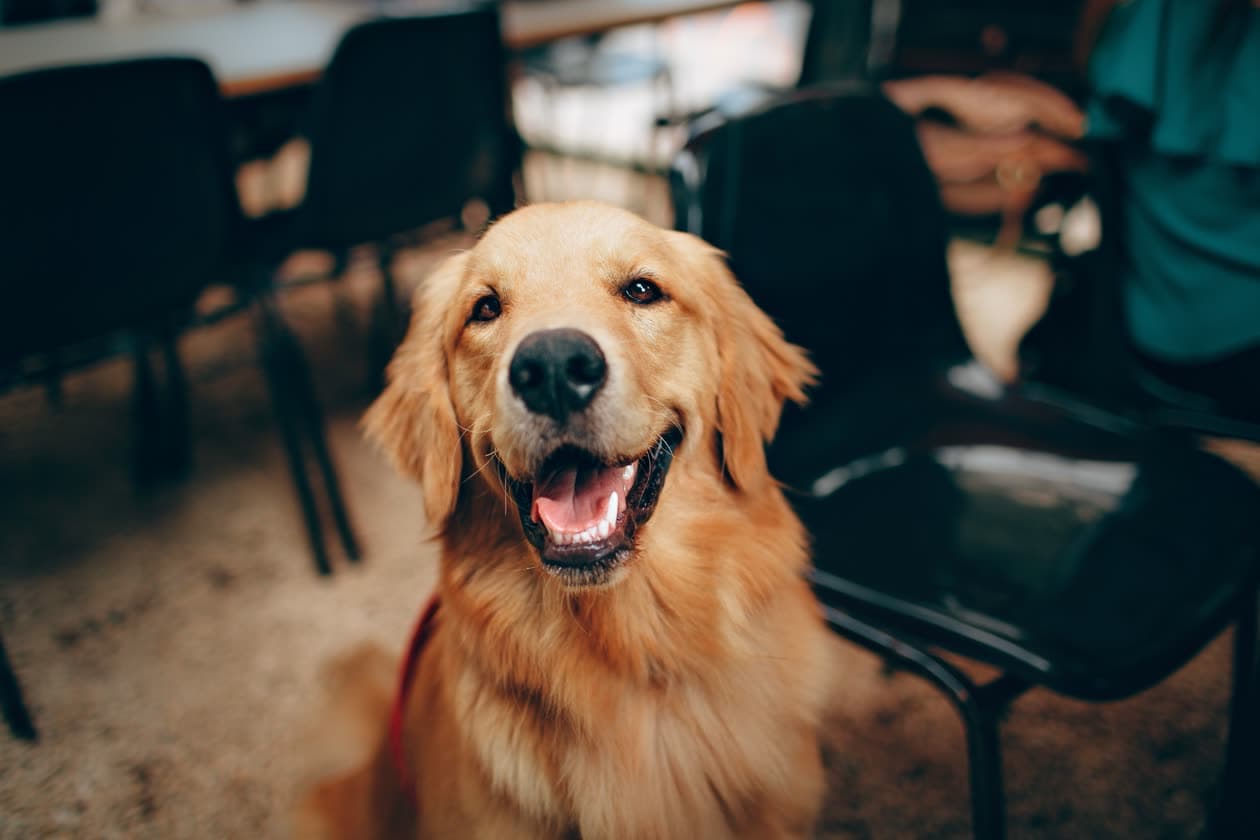
It's 4 p.m. on a Sunday. Your beagle, Pepper, vomited twice this morning, ignored breakfast, and is lying on the kitchen tile instead of patrolling under the table. You press a finger to her gums and they feel a little tacky. Now you have to decide: do you keep watching at home, call the vet for a same-day visit, or go to the emergency clinic now?
The quick answer: you recognize pet dehydration from several signs together, not from one test. Look for sticky or dry gums, skin that is slow to fall back after a gentle pinch, sunken or dull eyes, less urine than usual, and lethargy. What you do next depends less on whether your pet is dehydrated and more on why, how fast it's happening, and who the patient is.
Three signs that tell you more than the water bowl does
Most owners notice the water bowl first, but it's a poor gauge. Pets in multi-pet homes share bowls, water spills, and a sick dog may lap water and then throw it straight back up. These checks tell you more:
1. The gums. Lift your pet's lip and touch the gums. Healthy gums are moist and slippery. Dehydrated gums feel tacky or dry, a bit like the back of a postage stamp. Texas A&M's College of Veterinary Medicine calls the mouth one of the first places to look for early signs.
2. The capillary refill. Press a fingertip on a pink area of gum until it turns pale, then let go. In a healthy pet, the pink usually returns in about two seconds or less. A slow return suggests poor circulation, which is more urgent than mild fluid loss.
3. The skin tent. Gently lift the skin between the shoulder blades and let go. Well-hydrated skin drops back into place almost at once. If it falls back slowly or stays up in a ridge, the animal may be dehydrated.
Where the skin tent gives misleading results
Veterinary sources agree that the skin tent is the least reliable of the three when used alone:
- Overweight pets may look fine even when they're dehydrated, because fat under the skin helps it spring back.
- Senior or very thin pets can show slow skin return when they're well hydrated, because their skin has lost elasticity with age or weight loss.
Do the checks today, while your pet is healthy. You can't recognize "abnormal" if you've never felt "normal."
The fact that changes how you read these signs
This is the part most owners don't know. In the 2024 AAHA Fluid Therapy Guidelines for Dogs and Cats, the lowest severity category, "mild" dehydration, is estimated at around 5% of body weight. Even at that level, the expected physical signs are slight: a small loss of skin elasticity and gums that are only semi-dry.
Here is what that means for a 4 kg (about 9 lb) cat. A 5% loss is about 200 ml of body water, close to a full glass. Most of that loss can happen before anything shows clearly at home. When you can see the signs, the loss is already real.
Cats add another difficulty. Veterinary literature describes domestic cats as having a relatively weak thirst drive and kidneys that concentrate urine very efficiently. These traits are often linked, though not proven, to their descent from the African wildcat, which lives in dry habitats and gets much of its water from prey. For a desert hunter, those were useful traits. For a house cat with kidney disease or a stomach bug, they can hide trouble: a cat may not drink much more even as it falls behind, and the signs owners see tend to come late.
So the signs are not early warnings. They show that dehydration is already happening. That is why the next decision matters.
Option 1: Watch and encourage drinking at home
When it fits: a healthy adult dog or cat with an obvious, short-lived cause. Examples are a hot afternoon, a long hike, one episode of vomiting or soft stool, or a lost appetite for one meal. The pet still drinks, keeps water down, urinates normally, and acts mostly like itself.
What it looks like: fresh water in several places, a cool spot to rest, and close observation for the next few hours. Wet food can add water to the diet if your pet is eating. Check the gums again later and compare them with what you felt the first time.
The advantages: no stressful car ride, no bill, and many mild cases really do resolve this way.
The cost: you're betting that the cause has stopped. Waiting is risky when water goes in and comes straight back out. A dog that vomits after every drink is losing ground. Also avoid home "rehydration recipes" or human electrolyte drinks unless your vet approves them. What's safe depends on the animal and the cause.
Home monitoring is a plan with an end time. Decide in advance what would make you call, and when you'll check again.
Option 2: Call your vet for a same-day visit
When it fits: the signs are mild but the situation isn't simple. Examples:
- Vomiting or diarrhea that continues past several episodes or lasts longer than a day
- A cat that has stopped eating. Cats don't handle going without food well, and their dehydration tends to show late.
- A pet with a chronic condition that affects fluid balance, such as kidney disease, diabetes, heart disease, or Cushing's
- A pet taking medication that can change thirst or urination, such as some diuretics or steroids
- Senior pets, whose reserves are smaller and whose skin tent results are harder to read
- Drinking much more than usual, which can also signal disease even if the pet doesn't look dehydrated yet
The advantages: a vet can measure what you can't, such as bloodwork, urine concentration, and an accurate weight. A vet can also treat the cause instead of only the thirst. Fluids given under the skin or into a vein can correct a deficit much faster than coaxing a pet to drink.
The cost: time, money, and a carrier your cat will hold against you for a week. Sometimes the result is "it's mild, keep doing what you're doing." That counts as useful information, not a wasted trip.
If your pet has a chronic condition, keep the medication list and recent lab results ready for that call. Your vet will ask about them. This is where ZooMinder helps in a practical way: it keeps medication schedules and vet visits organized in one place, so you're not trying to remember on the phone whether the last kidney check was in March or May.
Option 3: Go to the emergency clinic now
When it fits: any of these signs, whether or not you're sure it's dehydration:
- Pale, white, grayish, or bluish gums, or a capillary refill that is clearly slow
- Collapse, extreme weakness, or a pet that can't be roused normally
- Can't keep water down at all, or vomiting with blood
- No urine for many hours
- Signs of heatstroke: heavy panting, drooling, or staggering after heat exposure
- A puppy or kitten with vomiting or diarrhea. Very young animals have small reserves and can decline quickly.
- A cat that is neither eating nor drinking
The advantages: emergency teams can start IV fluids and find the cause right away. Some causes of dehydration, such as blockages, toxin exposure, and heatstroke, get worse quickly.
The cost: emergency care is expensive and stressful, and sometimes the outcome is reassuring. That's fine. When the gums turn pale or a pet can't stand, a trip that turns out to be unnecessary costs far less than a delay.
How to decide: three questions that settle it
The checks tell you that dehydration is present. These three questions tell you what to do about it.
1. Is the cause still happening? One vomit followed by a nap is different from vomiting every time your pet drinks. If losses continue, home care can't keep up. Call the vet.
2. Who is the patient? A healthy three-year-old Labrador has plenty of reserve. A kitten, a 15-year-old cat, or a pet with kidney disease or diabetes does not. The smaller or more fragile the patient, the lower your threshold for calling.
3. Are there circulation signs? Pale gums, slow capillary refill, weakness, or collapse mean the problem has gone beyond dehydration. Go to the ER, and don't wait for a callback.
If you can't answer one of these confidently, a phone call to your clinic is a reasonable middle step. Many clinics will triage over the phone and tell you whether to come in.
Make "normal" easy to remember
Pick a calm moment this week. Feel your pet's gums, time a capillary refill, and do one skin tent. Write down what normal looks like, plus your pet's weight and usual water habits. If your pet takes daily medication, record that too. A ZooMinder note or reminder alongside the meds is one easy way to keep it with everything else.
Back to Pepper on the kitchen tile. Her gums are tacky, but they're still pink and refill quickly. She vomited twice this morning, though, and once more after drinking. That last detail settles it: the cause is still happening. You call the vet's after-hours line. Pay less attention to how dehydrated your pet looks and more to whether the cause is still going on.
Make This Easier With ZooMinder
You shouldn't need a spreadsheet to take care of your pet. ZooMinder is the free app that handles medication schedules, vet records, and reminders so you can focus on the cuddles.