5 Myths About How to Introduce a New Medication to Your Pet
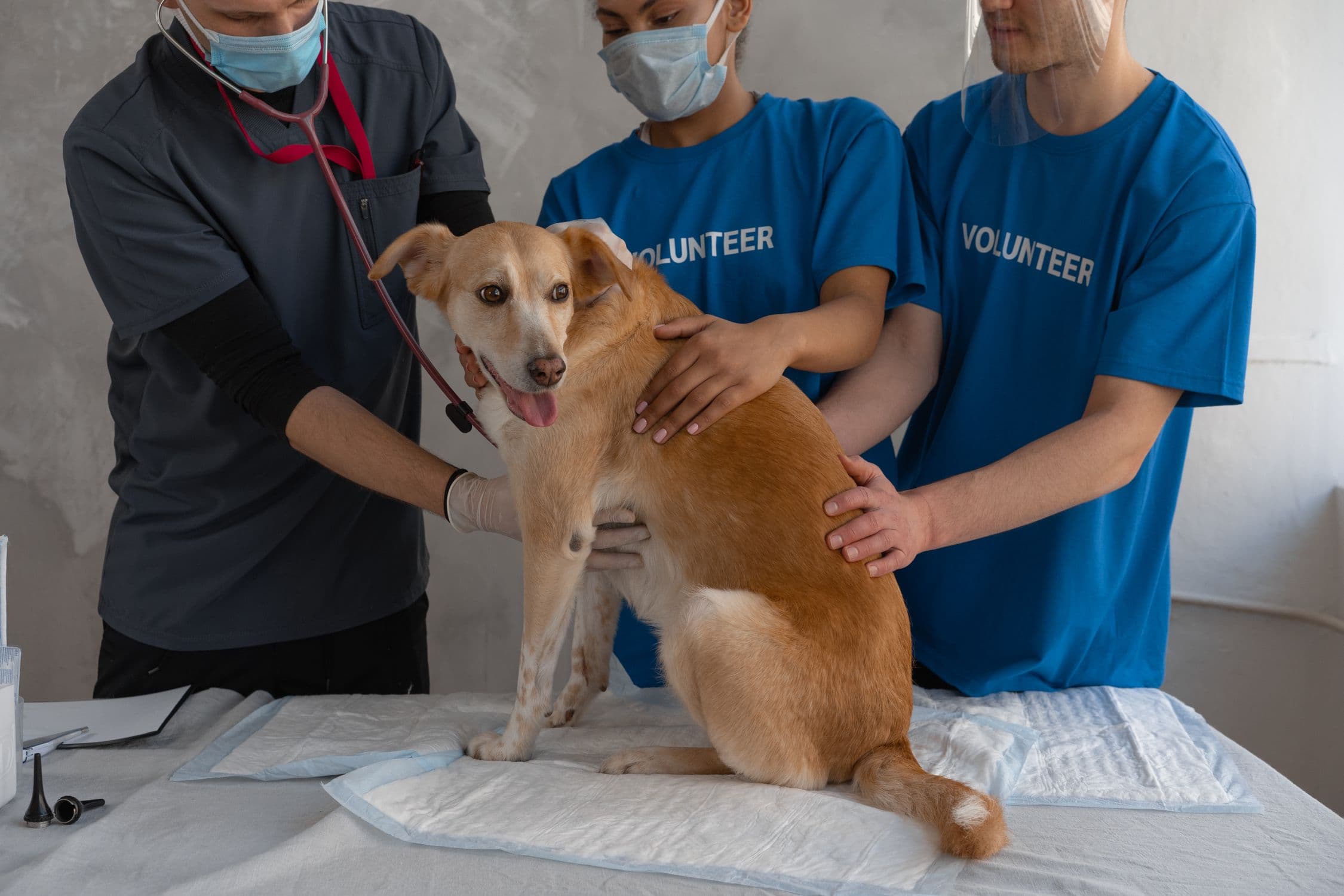
Otis, a nine-year-old beagle with a bad left hip, took his first carprofen tablet on a Tuesday night and did great. Ate dinner. Slept through. Chased a squirrel Wednesday morning. His owner filed that away as proof the drug agreed with him and stopped thinking about it — which is the single most common mistake in how to introduce a new medication to your pet. The myth is that the first dose is the test: if it goes down without drama, you're clear.
Here's what veterinarians actually say. The first dose tells you almost nothing. Most drugs need several doses to reach steady state in the bloodstream, and the adverse reactions that matter — the gastrointestinal ones, the liver ones, the behavioral ones — tend to surface on day two, three, or later. Otis vomited a small amount of coffee-ground-looking material on Thursday. That was the real signal, and it arrived 48 hours after the dose everyone was watching.
Below are the five beliefs that most often go wrong in that window, and what the evidence says instead.
"If the first dose went fine, we're in the clear"
The logic feels sound — an allergic reaction is immediate, so no reaction means no problem. And it's half true: true anaphylaxis (facial swelling, hives, sudden collapse, labored breathing) usually does hit within minutes to a couple of hours. If that happens, it's an emergency, not a phone call.
But anaphylaxis is the rare failure mode. The common ones are cumulative. NSAIDs like carprofen, meloxicam, and grapiprant can irritate or ulcerate the GI tract over days of dosing, not seconds. The FDA's client information sheet for veterinary NSAIDs teaches owners the acronym BEST — Behavior changes, Eating less, Skin redness or scabs, Tarry or black stool — precisely because these are slow-arriving signs, not first-dose signs. In a case series of five cats on clindamycin published in the Journal of Feline Medicine and Surgery, the gagging and regurgitation started three to nine days after the first capsule.
The practical version: the observation window is 72 hours minimum, and for anything hepatic or renal, it extends to the first recheck bloodwork. A quiet first night is good news about anaphylaxis and nothing else.
"Vomiting means the drug is wrong for my pet"
This one causes more abandoned prescriptions than any other. A dog throws up once after a new antibiotic, the owner concludes the drug is "not agreeing with him," and the course quietly stops on day two.
Mild, self-limiting GI upset is genuinely common with antibiotics, NSAIDs, and steroids — and it's frequently a dosing-mechanics problem, not a drug problem. Given on an empty stomach, plenty of oral medications are irritating enough to trigger a single vomit. Given with a small meal, the same drug is tolerated fine. (The exception matters: some drugs specifically require an empty stomach, and certain antibiotics bind to calcium in dairy, which makes them useless — this is why "give with food" is a question for your vet or pharmacist, never an assumption.)
So the distinction isn't did it vomit — it's this:
One episode of vomiting or soft stool that resolves within 24 hours, with normal appetite and energy, is a tolerance issue to report at the next call. Vomiting more than twice, blood or black tarry material in stool or vomit, refusal to eat for a full day, yellowing gums or eye whites, stumbling, or seizures — those are stop-the-drug-and-call-now events.
For NSAIDs in particular, the FDA's guidance to owners is explicit: stop giving the drug and contact your veterinarian if side effects appear. Don't split the difference by "seeing how tomorrow goes." And if you do confirm an adverse reaction, you can report it to the FDA's Center for Veterinary Medicine at 1-888-FDA-VETS — most owners never do, which is part of why post-market safety data on animal drugs is thinner than it should be.
"A pill is a pill — as long as it goes down, it counts"
Getting the tablet past the teeth feels like the finish line. For cats, it's the start of a different problem.
Cats have a nearly horizontal esophagus and a weak swallowing reflex compared to dogs. Imaging research on cats given dry-swallowed capsules found the capsule still sitting in the cervical esophagus in roughly 88% of cases, sometimes for up to four minutes. Doxycycline and clindamycin are corrosive enough that sitting there causes esophagitis — and in documented cases, permanent esophageal stricture requiring balloon dilation. A 2005 Journal of Feline Medicine and Surgery study linked doxycycline given by dry swallow directly to stricture formation in cats.
The fix is embarrassingly simple and almost never mentioned at the counter: follow every pill or capsule in a cat with 6 ml of water by syringe, or a small lick of food, or a pill pocket. Butter-coating a capsule works too. The goal is to make the cat swallow again.
Two related mechanics worth getting right:
- Don't split or crush unless you've confirmed it's allowed. Extended-release and enteric-coated tablets dump their entire dose at once when crushed. Some capsules are compounded for a reason.
- Watch what you hide it in. Grapes, raisins, macadamia, xylitol-sweetened peanut butter, and onion-containing deli meat are all popular pill vehicles that are toxic. Plain cheese, a meatball of canned food, or a commercial pill pocket are safer.
"Missing one dose doesn't really matter"
It matters more than the data suggests owners believe — and the data on owner behavior is genuinely uncomfortable.
A 2024 study of New Zealand dog owners recorded medication noncompliance in 47% of cases. Reviews of short-term antimicrobial therapy in dogs found 56–59% of owners gave the wrong number of doses per day, most of them underdosing. Among owners of dogs with epilepsy — where a missed dose can mean a breakthrough seizure — as few as 21% were fully compliant with instructions. And a Journal of Veterinary Internal Medicine study of cat owners found something telling: over 90% got the dose right, but only about 22% followed the prescribed timing.
That last number is the real story. Nobody thinks they're the problem, because they're not skipping pills — they're drifting. A 12-hour antibiotic given at 8am and 4pm is a different drug exposure than one given at 8am and 8pm. Twice-daily phenobarbital drifting by four hours changes trough levels enough to matter.
The intervention that works isn't willpower. A 2020 veterinary study on mobile-health tools found non-adherence dropped to 12.6% among owners using a medication app, compared with roughly 60% without one. This is exactly what ZooMinder's medication reminders are built for — you set the actual prescribed interval once, mark each dose as given, and the app holds the schedule instead of your memory holding it. In a multi-pet household, where two dogs on two different drugs is genuinely hard to track by feel, it stops being optional.
"I'll remember what I saw and tell the vet at the recheck"
You won't. Nobody does. Ask any veterinarian how a recheck conversation goes and you'll hear some version of: "He was a little off... maybe Wednesday? Or Thursday. He ate, I think. It might have been before the pill."
That vagueness has a cost. Your vet is trying to answer specific questions — is this a drug reaction or the underlying disease progressing? Is it dose-related? Does it correlate with food? — and none of those are answerable from an impression. A dated, timestamped log turns a shrug into a clinical data point.
What's actually useful to record, per dose:
- Time given and whether it was with or without food
- Whether the full dose went down (half a spat-out tablet is a half dose, and it changes everything)
- Appetite — ate all / most / picked at it / refused
- Stool — normal, soft, diarrhea, any blood or black color
- Vomiting — how many times, how long after the dose
- Energy and behavior — a one-to-five number is more useful than an adjective, because it's comparable across days
- Water intake and urination — critical for steroids, diuretics, and anything renal
Logging this in ZooMinder's symptom log as it happens takes about fifteen seconds and gives you something you can hand to the vet directly, alongside that pet's stored vet records and current medication list. Photos help enormously too — a photo of an abnormal stool or a swollen face answers a question that three paragraphs of description can't.
What to do instead: how to introduce a new medication to your pet over 72 hours
Before you leave the clinic, ask four questions: With food or without? What are the two or three side effects specific to this drug? What's the one sign that means call immediately? And what should I do if my pet vomits the dose back up 10 minutes later?
Hour 0 — first dose. Give it when you'll be home for the next several hours, not right before work. Follow pills in cats with water or food. Note the exact time.
Hours 0–2. Watch for the acute stuff: facial swelling, hives, vomiting, difficulty breathing, collapse. This is the anaphylaxis window and the only one that's genuinely fast.
Hours 2–24. Log appetite, energy, one bathroom check. Mild lethargy or a single soft stool goes in the log, not into a panic.
Hours 24–48. This is where GI effects typically declare themselves. Check stool color deliberately — tarry black is digested blood, and it's easy to miss on dark ground or in a dark litter box.
Hours 48–72. Behavioral and neurological changes surface here: sedation on gabapentin or trazodone, restlessness or panting on prednisone, wobbliness on anticonvulsants. Compare against your day-one baseline rather than against your sense of "normal."
At 72 hours, do one deliberate review of the log. If everything is unremarkable, keep logging at a lighter cadence until the course ends or the recheck happens. If there's a pattern — three straight days of reduced appetite, a soft stool every time — call. That's not being a nervous owner; that's the exact information the dose adjustment gets made from.
Introducing a new medication isn't a single event you either pass or fail. It's a three-day observation with a written record, and the record is the part almost everyone skips.
Otis was fine, incidentally. His carprofen came down to a lower dose with a gastroprotectant, and he's still working on the squirrel. What made that possible wasn't catching the vomit — it was that his owner could tell the vet it happened forty-eight hours in, on an empty stomach, twice, with black flecks. Four facts. That's the whole difference between "he had a reaction" and a treatment plan.
One App, Every Pet, Zero Missed Doses
Stop juggling sticky notes and phone alarms. ZooMinder keeps every medication, vaccine date, and vet note in one place — free, private, and built for households with multiple pets.