Pet Medication Tracker App: Why Reminders Aren't Enough
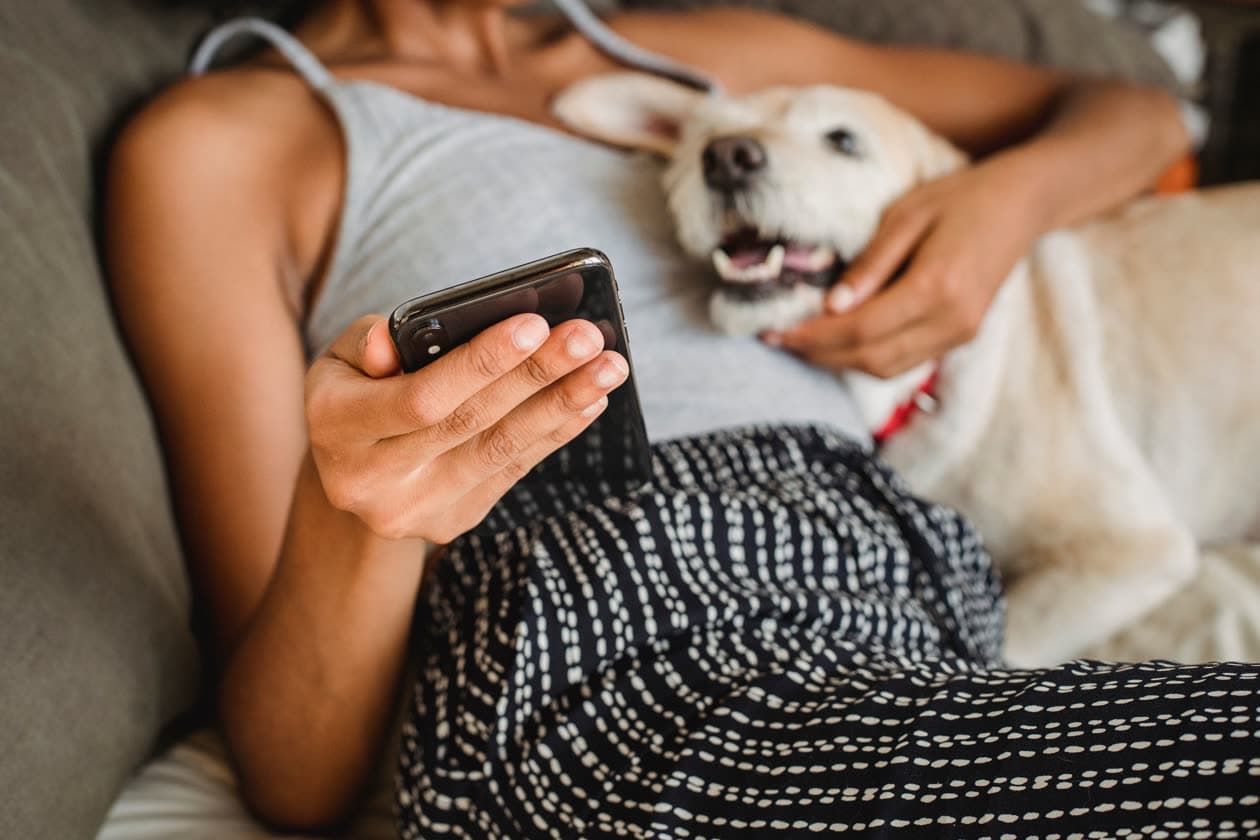
It's 7:40 a.m. The pill pocket is gone from the counter, Biscuit is licking his lips in a way that could mean anything, and two adults in the kitchen are each about 80% sure the other one gave the morning dose. No alarm failed here. The phone buzzed right on time. The trouble is that nobody can say what happened after it buzzed.
Most comparisons of pet medication tracker apps focus on reminders: how many you can set, how loud they are, whether they repeat. That's reasonable, because forgetting is real. But veterinary research and the hard lessons of hospital medicine point to a less obvious answer. The reminder is the easy half. The record is the half that protects your pet. A good tracker tells you a dose is due and also lets you answer "was it given, by whom, and when?" without anyone relying on memory.
The reminder was never the hard part
Start with the reassuring part: missing doses is normal, and it doesn't mean you're a careless owner. In a 1999 study in the Journal of Small Animal Practice, researchers followed dog owners giving a 10-day course of oral antibiotics. Only 44% gave every single dose, though 88% managed at least 80% of them (Grave & Tanem, J Small Anim Pract, 1999). These were ordinary, motivated owners with a short course of medication.
A 2005 study in the Journal of the American Veterinary Medical Association added two findings worth knowing. First, veterinarians couldn't predict which clients would follow through. Second, the schedule itself mattered a lot. Owners dosing once or twice a day were roughly nine times more likely to be fully compliant than those dosing three times a day (Adams et al., JAVMA, 2005).
The detail that stuck with me is how the researchers measured compliance. They didn't simply ask owners. They combined questionnaires and leftover pill counts with an electronic medication monitoring device that logged dosing events on its own, a method borrowed from human adherence research. They needed the machine because memory, even a well-meaning owner's memory, isn't reliable evidence. They also found that owner-reported missed doses, checked against pill counts, did a good job of predicting what the electronic monitor recorded. A written record matched reality. A vague impression didn't.
A reminder tells you it's time. A record tells you it's done. Most medication mix-ups at home happen in the gap between the two.
This matters because a missed dose and a doubled dose are different problems, and you can only tell them apart if something was written down.
Why more alarms can make you worse at this
The obvious fix is more alarms: a reminder, a backup, a snooze. Hospitals tried a version of that and learned the hard way. In 2013 the Joint Commission, the main accreditor of US hospitals, issued Sentinel Event Alert 50 on medical device alarm safety. It identified alarm fatigue as the most common contributing factor in the alarm-related incidents it reviewed. A review on the NIH's NCBI Bookshelf notes that studies have found 72% to 99% of clinical alarms are false (NCBI Bookshelf, Alarm Fatigue), and staff who hear that many stop reacting to them.
Your kitchen isn't an ICU, but your thumb learns the same way. If your phone buzzes six times a day for things that don't need you, swiping away the seventh becomes automatic, and that seventh might be the heart medication. So:
- One reminder per real dose. No "just in case" duplicates.
- Make the reminder ask for an action. Marking a dose as given should be the natural response, not something you do later.
- Snoozing is not logging. A snoozed alert means you meant to, and that is exactly what both adults in the kitchen believed.
"Twice a day" is a question, not an instruction
This is the conventional advice that deserves the most respect, and also the most follow-up questions. "Give twice daily" can mean anything from "roughly morning and evening" to "as close to every 12 hours as you can manage." Which one applies depends on the drug, the condition, and your pet. Some medications are forgiving about timing. Others, such as insulin given alongside meals or certain anti-seizure drugs, can be much less so.
Before you set up any tracker, ask your veterinarian:
- How strict is the timing window? An hour either way, or tighter?
- Should it be given with food, or on an empty stomach?
- What should I do if I miss a dose, or am not sure whether it was given?
That third question is the important one. There's no universal rule for missed or uncertain doses. "Just give it now" is safe for some drugs and risky for others. Get the answer for this medication while you're still at the clinic, and save it next to the schedule. If a pet might have received a double dose, or has missed a dose of a medication your vet called critical, call your veterinary clinic or an animal poison control line instead of guessing.
Where a pet medication tracker app actually earns its place
Once reminders and records are both covered, a tracker becomes useful in the situations where memory reliably fails.
Multiple pets: the swap problem
With two cats on two medications, the risk isn't only forgetting. It's giving Miso's pill to Pepper. Small white tablets look alike, and so do two gray tabbies at 6 a.m. Keep a separate schedule for each animal, store their medications physically apart, and confirm which pet got which dose in the log. Being able to look at one pet's list at a time is a big part of what ZooMinder's per-pet medication reminders are for. It's less about remembering and more about not mixing up the animals.
Complex schedules: the end dates nobody writes down
Tapering doses, every-other-day medications, monthly preventives, and a course that ends on a Thursday all break the "same time every day" habit that keeps routines going. The forgotten event is often an ending: the last antibiotic dose, the day a taper drops to the next step, or the recheck appointment your vet scheduled to see whether the treatment worked. Put those in the calendar when the prescription starts, not when you happen to remember. ZooMinder keeps medications, vaccinations, and veterinary checkups in one place, so the recheck sits next to the medication it relates to.
Traveling: which clock counts?
Here's a trap specific to apps. Many phone reminders follow the device's local time, so after a flight across three time zones, the 8 a.m. dose might arrive at 5 a.m. body time, or the gap between two doses could quietly shrink or stretch. Before you travel, ask your vet whether the schedule should stay on home time, shift all at once, or shift gradually. Then check how your app handles time zones. Also pack medications in your carry-on with the original labels, and bring a little more than the trip requires in case of delays.
Shared care: the "who gave it?" problem
This is the Biscuit scenario, and it's the most common one. When two people, plus a teenager and a dog sitter, share duties, the danger shifts from missed doses to doubled doses. The fix is a single source of truth that everyone checks before giving anything. If your household can't share one app record, use something low-tech that works: a check-off sheet taped beside the medication, or one agreed "pet phone" that holds the log. For sitters, write the instructions down, including the vet's answer about missed doses and the clinic's phone number.
Here's the actual rule
The conventional advice, "set a reminder," isn't wrong. It just stops too early. The research shows that missed doses are common and hard to predict, that simpler schedules help, and that a written record is far more trustworthy than anyone's impression. Hospital medicine adds that more alerts don't mean more safety.
So the rule is: choose a system, app or paper, by how well it answers "was it given?", and keep it to one reminder per dose and one record per household. Ask your vet the missed-dose question before you need the answer.
Next time someone in the kitchen asks "did you give it?", nobody should have to remember. They should be able to check.
Try ZooMinder — Built by Pet Owners, for Pet Owners
If this guide helped, ZooMinder takes it a step further: smart medication reminders, vet appointment tracking, weight and symptom logs you can share at your next visit. Free, no ads.