Traveling With a Pet on Medication: A Real-World Plan
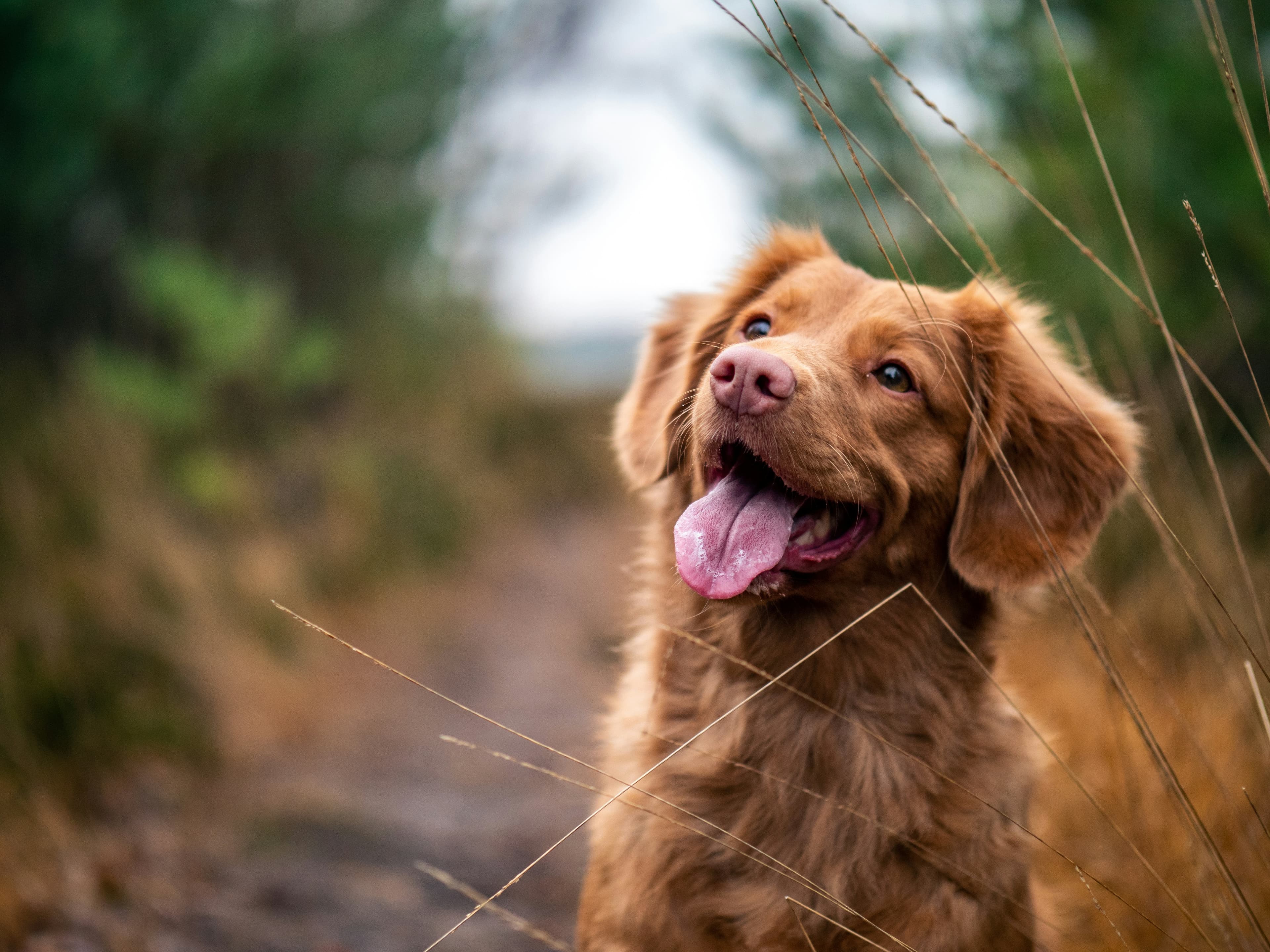
Maria's 9-year-old Labrador, Bruno, takes levothyroxine every twelve hours, like clockwork, for hypothyroidism. When her sister's wedding in Denver landed on the calendar, Maria's first thought wasn't about her dress — it was "how do I keep Bruno's 7 a.m. and 7 p.m. pills on schedule three time zones and a layover away from home?" She almost packed his meds in the checked bag. She didn't, and that one decision saved the trip.
If you're staring at plane tickets or a road trip map with a pill organizer in one hand, you're not overthinking it. Roughly one in three dogs over age 7 is on some form of daily medication, according to Banfield Pet Hospital's State of Pet Health data, and traveling with a pet on medication takes more than tossing a bottle in a bag. It takes a plan for the pills, the paperwork, and the hours in between.
The moment she realized checked luggage was a gamble
Maria was packing the night before her flight when she read a random airline forum post about a family whose checked bag — with the dog's insulin inside — got sent to the wrong city. That was the moment it clicked: anything your pet cannot go two days without belongs in your carry-on or your car's front seat, never in cargo or a bag you hand off.
She pulled Bruno's levothyroxine, plus a two-week buffer supply, straight out of her suitcase. Airlines lose roughly 6-7 bags per 1,000 passengers according to aviation data tracker AHT, and a lost suitcase is an inconvenience for clothes but a genuine emergency for a diabetic cat's insulin or a dog on seizure medication. The rule Maria now follows: pack enough medication for the full trip plus at least 3-5 extra days, split between two bags if possible, in case one goes missing.
This is also where a lot of owners get tripped up on liquids and TSA. Pet medications, including liquids, are allowed in carry-ons beyond the standard 3.4-ounce limit — you just have to declare them at the checkpoint. Keep them in original, labeled containers from the pharmacy, not repackaged into travel bottles, so security and any vet you might need on the road can immediately see the drug name, dose, and prescribing vet.
Vet tip: Ask your veterinarian for a printed medication list with drug name, dosage, frequency, and diagnosis — not just a bottle label. If Bruno needed emergency care in Denver, a stranger-vet reading "levothyroxine 0.5mg, twice daily, for hypothyroidism, prescribed by Dr. Alvarez" can treat him in minutes instead of playing phone tag with Maria's home clinic.
What the vet said about the time zone problem
At Bruno's pre-trip checkup, Maria asked the question that had been nagging her: does a two-hour time difference actually matter for a thyroid pill? Her vet's answer applies to almost any daily medication — thyroid, seizure, heart, insulin: consistency in the interval between doses matters more than the exact clock time.
For a twice-daily pill like Bruno's, that means keeping roughly 12 hours between doses, not obsessing over hitting 7:00 a.m. sharp in a new time zone. Her vet suggested shifting the dosing time by 1-2 hours per day in the days leading up to travel, so Bruno's body eased into the new schedule instead of jumping into it cold. For insulin-dependent pets, that gradual shift matters even more, since insulin dosing is often tied to meals — vets frequently recommend adjusting feeding and injection times by small increments rather than making an abrupt jump across time zones.
For flights, the advice was specific: give a dose shortly before heading to the airport and plan the next one for after landing, rather than trying to time a dose mid-flight in a cramped carrier. Sedatives were a hard no — many airlines restrict or prohibit tranquilizers because they can suppress a pet's ability to regulate body temperature and breathing at altitude, according to the American Veterinary Medical Association.
Maria's fix for the actual logistics of remembering: she set medication reminders in ZooMinder tied to elapsed hours since the last dose rather than a fixed clock time, so the app nudged her at the right 12-hour interval no matter what time zone her phone had jumped to. That single change removed the mental math she'd been dreading.
The layover that almost broke the schedule
Bruno's flight had a two-hour layover in Chicago — enough time for Maria to panic slightly when the connecting flight got delayed by ninety minutes. This is the scenario every traveling pet owner eventually hits: the schedule you built on paper meets a real-world delay.
Her rule of thumb, confirmed by her vet ahead of time: for most stable chronic conditions, a dose can safely shift by an hour or two without incident, but she should never double up to "catch up" on a missed one. For medications with a narrower safety margin — insulin, seizure drugs like phenobarbital, heart medications — that flexibility shrinks, and it's worth asking your vet in advance exactly how much wiggle room exists before travel, not during a layover with spotty airport wifi.
Maria kept Bruno's medication log in ZooMinder throughout the trip, logging the actual time each dose was given. That log did two things: it gave her peace of mind she hadn't lost track under stress, and later, when Bruno seemed a little off after the trip, it gave her regular vet an exact record of what happened and when instead of a shrug and "sometime in the afternoon, I think."
Refills on the road, before you're desperate
Nobody plans to run out of pills in a city where they don't have a vet. But Maria budgeted for it anyway, because her own vet warned her that thyroid medication doses aren't always interchangeable between manufacturers or pharmacy chains.
Before leaving, she:
- Called ahead to a national pharmacy chain near her sister's house and confirmed they carried Bruno's exact formulation.
- Asked her vet for a written prescription (not just a filled bottle) that could be transferred or re-filled by another vet or pharmacy if needed.
- Saved her vet's cell and after-hours line in her phone, since a five-minute call authorizing an early refill beats a Saturday spent searching for an emergency vet.
If you're crossing state lines for an extended stay, know that most states don't require special paperwork just to carry a legally prescribed medication for your own pet — the friction usually shows up with controlled substances (like certain anti-anxiety or pain medications), which can trigger extra pharmacy scrutiny across state lines. If Bruno had been on a controlled substance, Maria's vet said she'd have wanted a letter explicitly authorizing travel with it, just in case.
The paperwork Maria almost forgot
Ten days before the wedding, Maria realized she'd been so focused on pills that she'd nearly skipped the health certificate. Most airlines require a Certificate of Veterinary Inspection (CVI) issued by an accredited vet, typically within 10 days of travel for domestic flights and often within 10 days for international ones too, per USDA APHIS guidance. Since USDA doesn't regulate interstate pet movement directly, the specific requirements — whether a health certificate is mandatory, how recent it must be — actually come from the receiving state's animal health office, so Maria called Colorado's ahead of time rather than guessing.
For international trips, the process is stricter: a USDA-accredited vet completes the certificate, and USDA APHIS itself reviews, countersigns, and stamps it — a step that can take several business days, so the AVMA recommends starting at least 4-6 weeks ahead for any border crossing.
What Maria packed in her paperwork folder, based on AVMA guidance:
- Health certificate / CVI, dated within the required window
- Vaccination records, especially rabies
- A written diagnosis and treatment letter from her vet on clinic letterhead, explaining Bruno's hypothyroidism and his medication — useful at security, at the airline counter, and for any vet visit on the trip
- A photo of Bruno and his microchip number, in case he got separated from her
She kept digital copies in ZooMinder's records section alongside the physical folder, so a lost paper copy wasn't a crisis — everything was one login away, shareable with any vet who needed it.
What actually happened at the wedding
Bruno made it to Denver on schedule, pills intact, paperwork in a folder that never left Maria's carry-on. The layover delay bumped one dose by ninety minutes and nothing happened — because she'd asked the "how much flexibility do we have" question before she needed the answer, not during it. He danced through the reception (well, mostly slept under the gift table), and came home with a clean log of every dose, every time, ready to hand to his regular vet.
The takeaway Maria keeps repeating to friends now: the medication plan matters more than the itinerary. Book the flight, pack the bag, but do the pill math and the vet call first — because a missed dose doesn't care how nice the wedding venue is.
Never Forget a Dose Again
ZooMinder turns the tips in this article into automatic reminders. Add your pet, add their meds, and let the app handle the rest — across as many pets as your household needs.