Why Cats Meow at Humans but Not Each Other—and Why It Matters
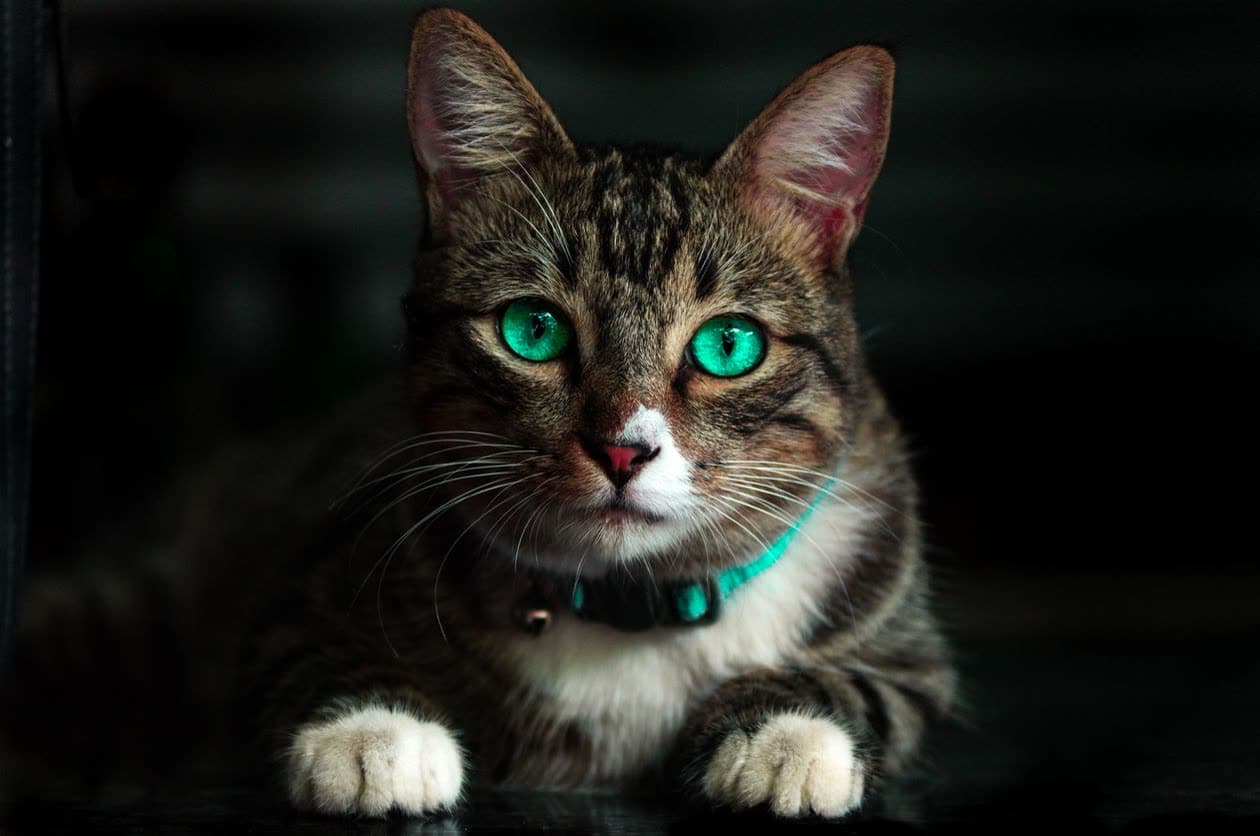
Every morning at 6:40, Dana's 12-year-old tabby, Biscuit, sits outside the bedroom door and delivers one flat, patient mrrow. It isn't loud and it isn't frantic. It sounds like a reminder from someone who has already been waiting. (Dana and Biscuit are a made-up example, but most cat households will know the scene.) Later that day Dana watched Biscuit pass Pepper, the younger cat, in the hallway. The two of them traded a tail flick, a slow look and a quick nose touch, and neither one made a sound.
That quiet hallway is the answer to a question many cat owners eventually ask: why do cats meow at humans but not at each other? The short answer is that adult cats seldom meow at other adult cats. Kittens meow at their mothers. Grown cats talk to each other mostly through scent, posture, touch and the occasional hiss or yowl. The meow is a kitten call that domestic cats kept into adulthood and aimed at us, and each cat tunes it according to what gets a response in its own home.
There's a practical side to this too. Your cat's meow is mostly addressed to you, and that makes it one of the clearest signals you get. When the pattern changes, write it down.
The morning Dana noticed the silence
Once Dana noticed it, she saw it everywhere. Biscuit talked to her when his bowl was empty, when he wanted to go out to the balcony and when she came home late. With Pepper he used his body. He arched, sniffed, groomed Pepper's head, and once gave a low growl over the sunny spot on the couch.
Researchers describe cats this way too. Adult cats rarely meow at one another. They rely on body language, scent marking and close-range sounds such as hissing, spitting, growling and the loud yowl of mating season or a territorial standoff. Cats mark their surroundings constantly with scent glands in their cheeks, paws and flanks, so a hallway holds plenty of information for another cat. A cat doesn't need to say "I was here" to Pepper when the doorframe already says it.
Humans can't read any of that. We miss most of the tail signals, we can't smell the cheek marks, and we often don't notice a slow blink. If a cat wants something from a person, the useful tool is sound.
Where the meow comes from: kittenhood
Kittens meow from their first days. A kitten that is cold, hungry or separated from its litter calls out, and the mother comes. In the wild that channel mostly closes as kittens are weaned and grow up. An adult cat meowing at another adult cat gets little in return.
Domestic cats are different because the human in the house keeps answering. In practice, many house cats go on treating their people somewhat the way a kitten treats its mother. We bring food, warmth and attention, and so the kitten call stays useful well into adulthood.
The meow isn't really cat language. It's a kitten's call that domestic cats kept using because people kept answering it.
The domestication twist: the meow may have changed too
This is the part that surprised Dana. In 2004, Nicholas Nicastro, then at Cornell, published a study in the Journal of Comparative Psychology comparing the meows of domestic cats with the calls of the African wildcat, their closest wild relative. Domestic cat meows were shorter and higher-pitched. People rated them as much more pleasant to hear, and that held whether or not the listeners liked cats or had much experience with them.
The study doesn't prove that people bred cats for a nicer voice, and the paper itself is cautious. It does fit an idea many researchers find plausible: over thousands of years of living alongside people, the cats whose calls people found appealing may have done a bit better.
A second finding goes further. In 2009, a team led by Karen McComb at the University of Sussex published research in Current Biology on the "solicitation purr," the purr cats use when they want food. Hidden inside it is a higher-frequency cry, acoustically similar to a human infant's cry. People rated these purrs as more urgent and less pleasant than ordinary purrs, even when they had never owned a cat. Biscuit's 6:40 purr-and-meow outside the door may contain a small, well-practiced alarm built for human ears.
How Biscuit trained Dana (not the other way around)
Here is the part about learning. Every cat's "vocabulary" is partly invented in its own home, and each cat ends up with its own dialect. A cat that meows near the treat drawer and gets a treat learns that this sound in this place gets results. A cat that meows at 5 a.m. and gets up-and-fed learns that 5 a.m. works. Your answers shape your cat's voice. Cats are known to pick up on human cues too: research led by Charlotte de Mouzon, published in 2022, found that cats responded differently when their owner used the high, sing-song voice reserved for them than when the owner spoke to another adult.
So the meow you hear every day is a learned and fairly reliable signal. Dana could have listed Biscuit's repertoire:
- The breakfast mrrow: low, single, at the bedroom door.
- The door chirp: short and rising, at the balcony.
- The "you're home" trill: at the front door, tail up.
- Silence: most of the rest of the day, especially around Pepper.
That baseline is the most important thing in this article, because a baseline is what lets you notice when something changes.
The week the meowing changed
A few months later, Biscuit started talking at 3 a.m. It wasn't the breakfast mrrow. It was a louder, drawn-out yowl, from the hallway, with nobody in it. During the day he seemed more restless than usual. He was hungrier, but Dana thought his back felt bonier under her hand.
It's tempting to laugh off a cat that starts yelling at night, or to give in and feed him early. But for a cat whose meow is built to be noticed, a new sound, a new time or a new intensity carries information.
Cats are very good at hiding illness. VCA Animal Hospitals notes that cats evolved to conceal signs of pain and disease, likely because a visibly weak animal is more vulnerable, and that early illness may show only as a cat becoming quieter or withdrawn. A change in vocal habits, louder or quieter, can be among the few early clues you get.
What a change in meowing can be linked to
This list is not for diagnosing at home. It's a reason to take the change seriously:
- Hyperthyroidism, common in middle-aged and older cats. Cornell University's College of Veterinary Medicine lists vocalizing among possible signs, along with weight loss, increased appetite or thirst, and restlessness.
- Age-related cognitive changes in senior cats, which can show up as night-time vocalizing or confusion.
- Pain, for example from arthritis, which can show up as new vocalizing or unusual quietness.
- Hearing loss, which can make a cat louder because it can't hear itself well.
- Stress or changes at home, such as a move, a new pet or a new schedule.
A cat that goes suddenly silent deserves as much attention as a cat that starts yelling. Your cat may be telling you something either way.
When to call the vet promptly
Some vocal changes shouldn't wait for a routine visit. Contact your veterinarian promptly if new or unusual vocalizing comes with straining in the litter box or producing little or no urine, labored or open-mouth breathing, hiding together with not eating, crying when touched or moved, or sudden weakness or wobbliness. A male cat straining to urinate is a classic emergency.
What Dana wrote down
Dana didn't try to work out the cause herself. She did what makes a vet visit useful: she recorded the pattern. For one week she kept short notes:
- When: what time the new meowing started, and how often.
- What it sounded like: louder, longer, hoarser or different from his usual calls. She also took a 10-second phone video, which is easier to understand than "kind of a howl."
- Where: hallway, litter box, next to the food bowl.
- What else changed: appetite, water intake, weight, litter habits, sleep, grooming.
- What made it stop: food, attention, nothing.
That week of notes turned a vague worry into specific information. The vet could see that this was new and that it came with hunger and weight loss. She could then decide which tests made sense. Notes and videos don't replace an exam, but they help the vet use the exam time well.
Biscuit was due for a senior checkup anyway, and older cats often need more frequent visits than younger ones (your veterinarian will set the interval). This is where a tool like ZooMinder helps: keeping track of when the next checkup is due, so the visit isn't put off until something forces it. If the vet prescribes daily medication, which is common for some conditions in older cats, ZooMinder's medication reminders are designed to help keep doses on schedule. Treat reminders as a backup, not a guarantee, and always follow your vet's instructions on how to dose.
Back to the 6:40 mrrow
These days, Dana listens to Biscuit's voice differently. The breakfast mrrow is still there, and it still sounds like an overdue invoice. Pepper still gets nothing but the occasional slow blink and a head bump in the hallway. Now Dana knows the meow was meant for her. Biscuit kept a kitten's call for her because she kept answering.
Today, pay attention to the sounds your cat already makes: which ones, when and where. You're not looking for a problem. You're learning what normal sounds like, so you'll notice when it changes.
One App, Every Pet, Zero Missed Doses
Stop juggling sticky notes and phone alarms. ZooMinder keeps every medication, vaccine date, and vet note in one place — free, private, and built for households with multiple pets.